May 6, 2026

10 minutes
What to Pack for a Ski Trip with Kids
Packing a family for a ski resort often feels like preparing for a polar expedition. The terrifying thought of your child freezing on a chairlift pushes parents to panic-pack six chunky sweaters, usually leaving no room for the things that actually matter.
.jpg)
By
Mike Johnson
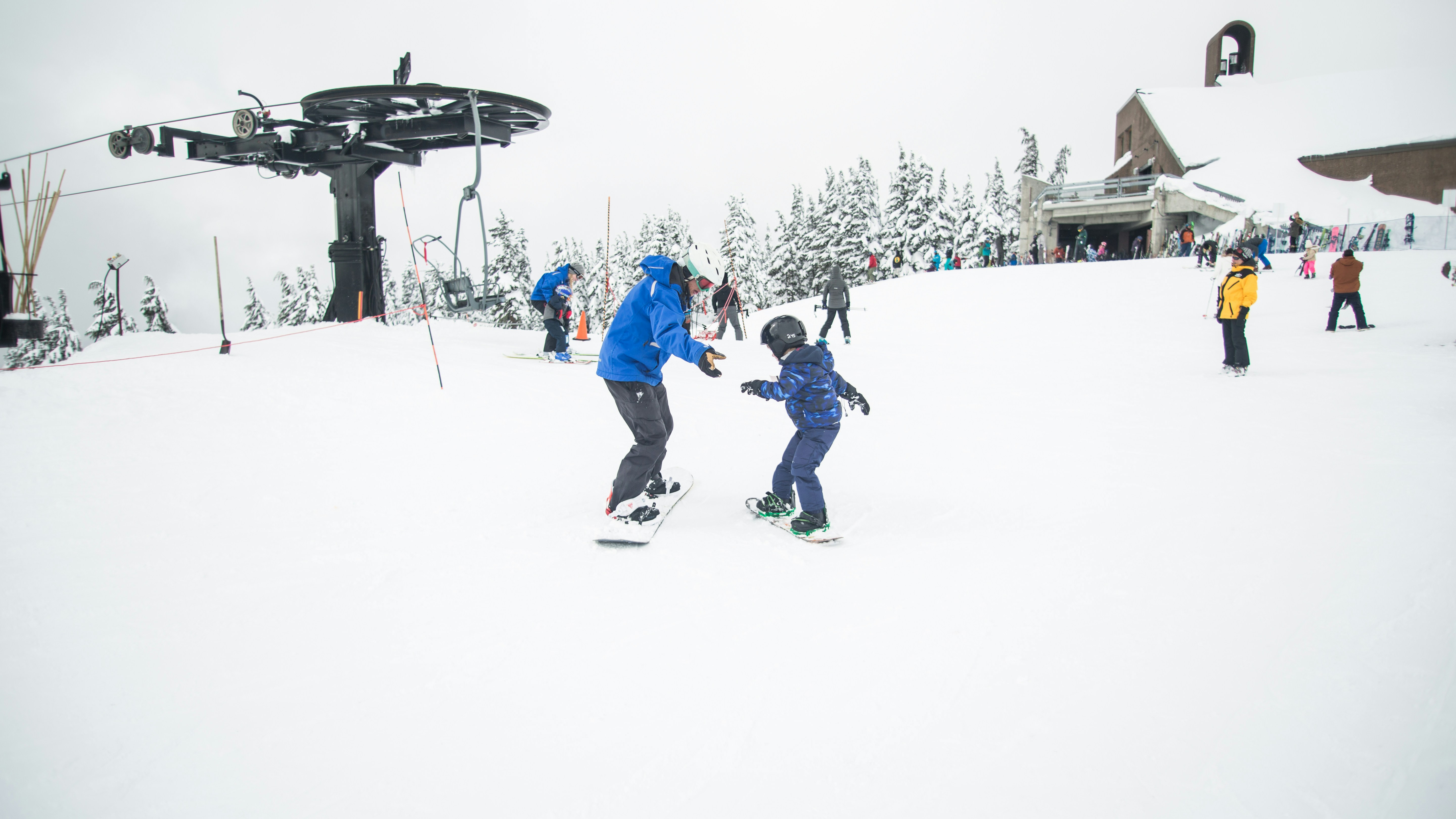
The short answer is that packing for a ski trip with kids requires a strict focus on the three-part layering system, high-quality extremities protection, and high-altitude skincare. Instead of overpacking bulky sweaters, you need merino wool base layers, insulated mittens, well-fitted safety gear, and dedicated après-ski snow boots.
If you are asking, “Do I need to buy expensive skis and boots for a growing child before we travel?”, the answer is an absolute no. While you must purchase properly fitting "software" like goggles and thermal layers at home, heavy "hardware" like skis, poles, and boots should always be rented at the resort to save money and luggage space.
Below is a structured breakdown covering the science of alpine layering, essential safety gear, the strict rules for keeping hands and feet warm, what to pack in your mountain backpack, and how to organize your luggage for a family trip.
Proper mountain clothing has absolutely nothing to do with buying the thickest, heaviest coat you can find. It relies entirely on a smart layering system designed to pull sweat away from the skin while trapping body heat against sudden temperature drops.
The most common mistake parents make is dressing their children in cotton t-shirts under their ski jackets. Cotton absorbs sweat like a sponge, refuses to dry, and immediately turns ice-cold the second your kid sits still on a chairlift, practically guaranteeing hypothermia.
Merino wool serves as the undisputed gold standard for alpine base layers. It traps body heat even when soaking wet, feels incredibly soft against sensitive skin, and naturally fights off odors, meaning your kid will not smell like a wet dog by Wednesday.
You do not need to pack a fresh set of thermals for every single day of the trip. Bringing just two high-quality merino wool base layer sets is perfectly enough for a six-day holiday, provided you alternate them and let them air out overnight.
The mid-layer acts as your insulation engine. A lightweight fleece jacket creates a warm pocket of air around the child's torso, but it is incredibly easy to strip off and throw in a backpack if the afternoon sun starts baking the slopes.
When it comes to the outer shell, toddlers and younger children absolutely require a one-piece snowsuit. Two-piece jacket and trouser combos ride up constantly when kids fall over, forcing freezing snow straight down their backs and ending the ski day in tears.
For older kids who insist on two-piece suits, you must check the waterproofing rating on the tags. Look for a minimum rating of 10,000mm; anything less than that will eventually soak through when they spend two hours sitting directly on wet slush building a snowman.
Children almost never complain that their actual core body is cold; they complain about their fingers. Ninety percent of mountain meltdowns happen simply because a child cannot feel their toes, making extremity protection your top priority.
The anatomy of heat preservation dictates that mittens win every single time. Mittens keep all the fingers trapped together in the same pocket, allowing them to share body heat, whereas fingered gloves isolate each digit and let them freeze independently.
From a purely logistical standpoint, wrestling tiny gloves onto a grumpy three-year-old is torture. Trying to guide five uncooperative little fingers into the correct holes at 8:00 AM will destroy your morning mood before you even leave the hotel room.
You also need to look at the cuff construction when buying mittens. You absolutely must buy pairs with extra-long cuffs that pull high over the snowsuit sleeves, acting as an impenetrable seal against the ice when your child inevitably starts digging in the snow.
The worst thing you can do to a child's feet is cram two pairs of socks onto them in an attempt to keep them warm. Doubling up cuts off their blood circulation and restricts toe movement, which ironically makes their feet turn numb much faster.
You need exactly one pair of proper, high-quality alpine ski socks made from a wool-synthetic blend. These specific fabrics pull moisture away from the skin, preventing sweat from pooling and freezing inside the plastic shell of the boot.
The fit inside the ski boot is unforgiving. The sock must pull all the way up to the knee and sit completely flat; if it has thick seams or wrinkles around the ankle, the rigid ski boot will rub their shin raw and cause bleeding blisters on day one.
The mountains present a harsh, aggressive environment, meaning head and eye protection rank above everything else in your suitcase. You cannot cut corners when packing the gear that physically keeps your child safe from collisions and the elements.
A proper ski helmet is a non-negotiable requirement for anyone stepping onto the snow. In fact, the vast majority of European and American ski schools will flatly refuse to let your child join the lesson if they show up wearing a wool beanie instead of a hard shell.
You must buy the helmet and the goggles together to ensure they actually fit each other perfectly. If the curvature of the goggles does not match the helmet, it creates the dreaded "goggle gap" on the forehead, leading to agonizing windburn and brain freeze on fast descents.
Leave the cute designer sunglasses at home. Sunglasses instantly fly off during a fall, get lost in deep powder, and offer absolutely zero protection against the icy wind and snow spraying into your child's face at twenty miles per hour.
The ultimate nightmare for any skiing parent is turning around at a crowded base station during the February half-term and realizing your child has vanished into a sea of identically dressed toddlers.
Modern technology offers brilliant peace of mind for exactly this scenario. Sewing an Apple AirTag or a similar Bluetooth tracker deep into the inside pocket of your child's ski jacket has become an industry-standard hack for stressed parents on busy resorts.
You should also back up the tech with old-school analog identification. Always place a laminated card inside their trousers featuring the child's name, both parents' phone numbers, and the hotel's name written in both English and the local alpine language.
The economics of growing children are brutally unforgiving. Spending hundreds of euros buying brand-new skis and rigid boots for a five-year-old is a massive waste of cash, because they will absolutely outgrow that equipment by the time the next winter rolls around.
You must separate your packing list into "software" and "hardware." Software refers to personal clothing, thermals, helmets, and goggles that demand a perfect, hygienic fit and should be bought at home. Hardware covers the heavy, bulky items that you should always pick up from the local resort shop.
Using platforms like Skibookers allows you to reserve this hardware months in advance at wholesale prices, entirely bypassing the insane airline baggage fees that carriers now charge for oversized ski bags. Here is exactly how you should split your inventory:
The illusion of the harmless winter sun catches thousands of families off guard every season. Because the high-altitude air is thinner and the white snow aggressively reflects UV rays, a child's face will burn much faster on a glacier than it will on a beach in August.
Protecting their lips and exposed cheeks is a daily requirement. You must apply a heavy SPF 50 lip balm and a thick, water-free "cold cream" barrier to their skin every morning, otherwise, the freezing wind will cause painful, cracking windburn by Tuesday.
You also need to build a dedicated medical kit for the hotel room. Always pack children's ibuprofen, cough syrups, and blister plasters in your suitcase, because alpine pharmacies close early and regularly refuse to sell basic medications without a prescription from a local doctor.
You cannot physically drag your family back to the hotel room every time a child gets hungry, cold, or grumpy. You need to assign one parent to carry a highly organized assault backpack that solves immediate emergencies right there on the snow.
The greatest invention for skiing parents is the disposable chemical hand warmer. These cheap little packets activate the second they touch the air, generating hours of heat that can be shoved inside a child's mittens to instantly stop a freezing-finger meltdown mid-run.
Keep the backpack lightweight but stocked for survival. When you head out for the morning lift, make sure you are carrying the following essentials to keep the group moving:
Life in the mountains continues long after the ski lifts shut down for the day. Your kids need to be comfortable when you drag them out to restaurants, let them play in the village square, or walk through the snow to find the local ice rink.
Proper footwear dictates how much fun they have in the evenings. Leave the stylish city sneakers at home; children need high-top, heavily insulated, fully waterproof snow boots with an aggressive rubber tread to stop them from slipping on icy pavements.
You also need to pack comfortable indoor loungewear. Thick cotton sweatpants, oversized hoodies, and fluffy socks are exactly what they will want to wear while resting by the fireplace, giving their stiff, sweaty ski gear time to dry out on the radiators.
Flying with massive winter clothing creates an absolute logistical nightmare at the check-in desk. Tiny children’s puffers and thick snowsuits consume a gigantic amount of suitcase volume, frequently forcing parents to pay extortionate overweight baggage fees just to get the clothes on the plane.
Vacuum compression bags are the ultimate packing hack for a winter holiday. By sealing the bulky jackets and sucking the air out with a vacuum cleaner, you can easily reduce the volume of their outerwear by fifty percent, leaving plenty of room for their evening clothes and toiletries.
The oldest trick in the book is wearing your heaviest gear through airport security. The entire family should wear their massive snow boots and thickest winter jackets onto the plane, stuffing them into the overhead bins only after you board, saving crucial kilograms in your checked luggage.


.png)
.png)
.png)
.png)
