Feb 24, 2026

20 minutes
What Is a Flat 3 in Skiing?
A flat 3 in skiing is a 360-degree spin performed on a level axis without inversion. This in-depth guide explains how it works, how it differs from corked spins, how to perform it safely, and how it fits into freestyle progression.
.jpg)
By
Mike Johnson
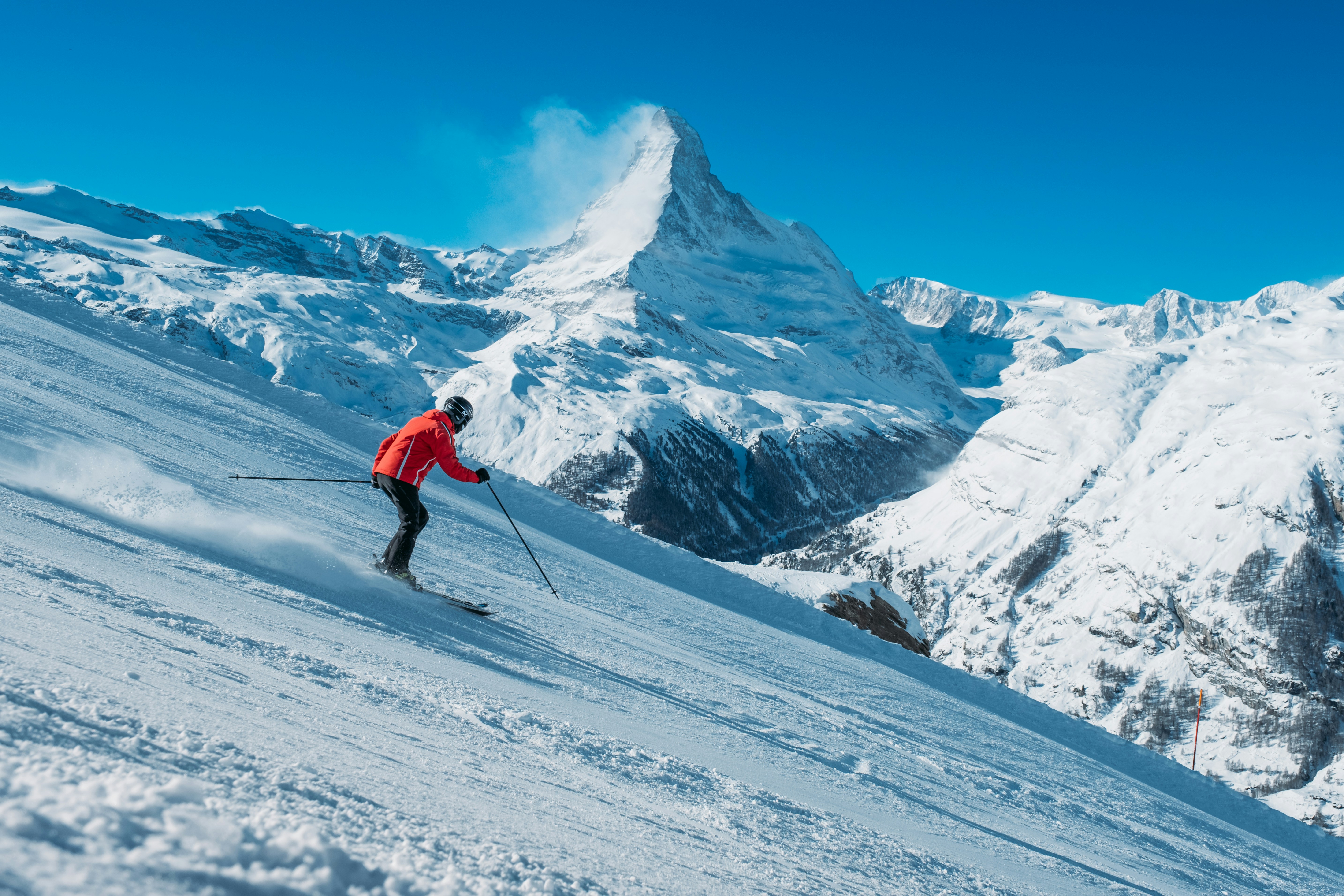
A flat 3 in skiing is a 360-degree spin performed on a horizontal rotational plane without inversion or significant off-axis movement. Unlike corked variations, a flat 3 keeps the skier upright throughout the rotation, relying on controlled takeoff mechanics, shoulder initiation, and balanced landing rather than flipping or dipping the head below the hips.
Although often considered a foundational freestyle trick, a technically clean flat 3 requires precise edge control, disciplined pop timing, spatial awareness, and stable impact absorption. Understanding how and when to use it is essential for safe terrain park progression.
Below is a complete breakdown of the mechanics, common mistakes, axis control principles, jump sizing considerations, safety risks, and how a flat 3 fits into long-term freestyle development.
A flat 3 consists of one full 360-degree rotation performed while the skier remains upright and aligned over the skis. The rotation occurs around the skier’s vertical axis rather than a tilted or inverted axis.
Key defining characteristics:
The word “flat” distinguishes this trick from corked or off-axis 360s, where the skier intentionally drops a shoulder and shifts the axis diagonally. In a flat 3, the head remains above the feet at all times.
Because the axis is clean and horizontal, the flat 3 is considered a fundamental rotational skill rather than an inverted freestyle trick.
The primary difference between a flat 3 and a cork 3 is axis orientation. A flat 3 rotates cleanly around a vertical axis, while a cork 3 introduces a diagonal, partially inverted rotation.
In a cork 3:
In a flat 3:
While both complete a 360-degree spin, corked variations are considered more technically demanding due to inversion and increased spatial disorientation.
A properly executed flat 3 demonstrates technical precision and rotational efficiency without relying on off-axis momentum.
A flat 3 begins at the lip of the jump, and the takeoff determines rotation quality. Stable spins require vertical pop combined with controlled upper-body initiation.
Proper takeoff mechanics include:
Common takeoff mistakes:
The goal is to generate upward lift first and rotation second. When the skier prioritizes height over spin, the rotation becomes slower, more controlled, and easier to spot.
Poor takeoff mechanics are responsible for most under-rotated landings.
Rotation in a flat 3 originates from the shoulders and core, not from flailing arms. Efficient spins require coordinated upper-body initiation and mid-air control.
The rotational sequence typically follows:
Overusing the arms creates instability and often shifts the axis unintentionally. Engaging the core keeps the body compact and balanced.
Efficient rotation reduces the need for excessive airtime. This makes flat 3s achievable even on smaller park features when technique is correct.
Controlled shoulder engagement is the difference between a smooth spin and a chaotic rotation.
Spotting the landing is essential for rotational awareness. In a flat 3, the skier should identify the landing as the final quarter of rotation begins.
Typical spotting sequence:
Failure to spot often results in:
Because a flat 3 is not inverted, the landing remains visible throughout most of the rotation. This makes it ideal for building air awareness before progressing to inverted tricks.
Consistent spotting improves both safety and landing precision.
A clean flat 3 landing depends on centered balance and lower-body absorption.
Key landing principles:
Common landing errors:
Absorbing impact through ankles, knees, and hips reduces joint stress and improves stability.
Forward pressure is especially important. Leaning back shifts weight behind the bindings and increases the risk of sliding out.
Landing control defines whether a flat 3 appears confident or unstable.
The size and shape of the jump significantly influence rotation timing and difficulty.
On small jumps:
On medium jumps:
On large jumps:
Beginners should start on small, well-shaped park features with consistent landings. Natural side hits can be useful but introduce unpredictability.
Choosing appropriate jump size reduces injury risk and accelerates progression.
Approach speed must align with jump size and rotational ability. Incorrect speed disrupts timing and increases fall risk.
Too little speed:
Too much speed:
Testing speed with straight airs before spinning ensures adequate airtime. Skiers should feel comfortable clearing the knuckle consistently before adding rotation.
Controlled speed allows smoother pop and easier landing absorption.
Managing speed is often more important than adding rotational force.
Flat 3 mistakes usually stem from takeoff mechanics and poor axis control.
Frequent errors:
Axis drift occurs when one shoulder drops lower than the other, shifting the spin toward a cork unintentionally.
Correcting these issues requires:
Technical refinement improves consistency more than increasing aggression.
Mastering the flat 3 establishes the rotational mechanics required for 540s, 720s, and corked spins.
The progression transfer includes:
Once the flat 3 becomes consistent, increasing rotation involves generating more upward lift and accelerating shoulder initiation.
Without stable 360 mechanics, higher rotations become unstable and risky.
The flat 3 serves as a technical gateway in freestyle skiing progression.
Adding a grab to a flat 3 improves both aesthetic quality and mid-air stability.
Common grab variations:
Grabs encourage compact posture and reduce axis wobble. They also increase trick difficulty in competitive settings.
However, grabs should only be added after consistent spin control is achieved. Attempting grabs too early often disrupts landing preparation.
In competitive judging contexts, a clean flat 3 with a solid grab scores higher than a poorly controlled cork attempt.
Style builds on technical foundation.
Although not inverted, a flat 3 remains an aerial maneuver with real injury potential.
Common injury mechanisms:
Risk mitigation strategies:
Controlled technique significantly reduces risk, but falls remain possible.
Respecting progression limits is critical for long-term development.
The ideal progression path includes:
Mastery of 180s ensures understanding of rotational timing and landing control. Comfort skiing switch reduces disorientation during mid-rotation spotting.
Attempting a flat 3 before building these foundations increases instability and fall risk.
Skill sequencing matters more than ambition.
Proper progression accelerates learning while minimizing injury probability.
A flat 3 in skiing is a 360-degree spin performed on a level axis without inversion. It represents one of the most important foundational freestyle tricks because it develops pop timing, rotational efficiency, air awareness, and landing stability.
Although it appears simple compared to corked variations, executing a clean flat 3 requires disciplined takeoff mechanics, shoulder coordination, controlled speed, and confident landing absorption.
For skiers progressing in the terrain park, mastering the flat 3 establishes the mechanical foundation necessary for advanced spins while maintaining manageable risk and high repeatability.


.png)
.png)
.png)
.png)
