Jan 7, 2026

4 minutes
Skiing or Snowboarding: What Should You Try First?
Skiing or snowboarding for your first ski trip? Learn the key differences, what beginners should expect, and how to choose what suits you best.

By
Sara Lee
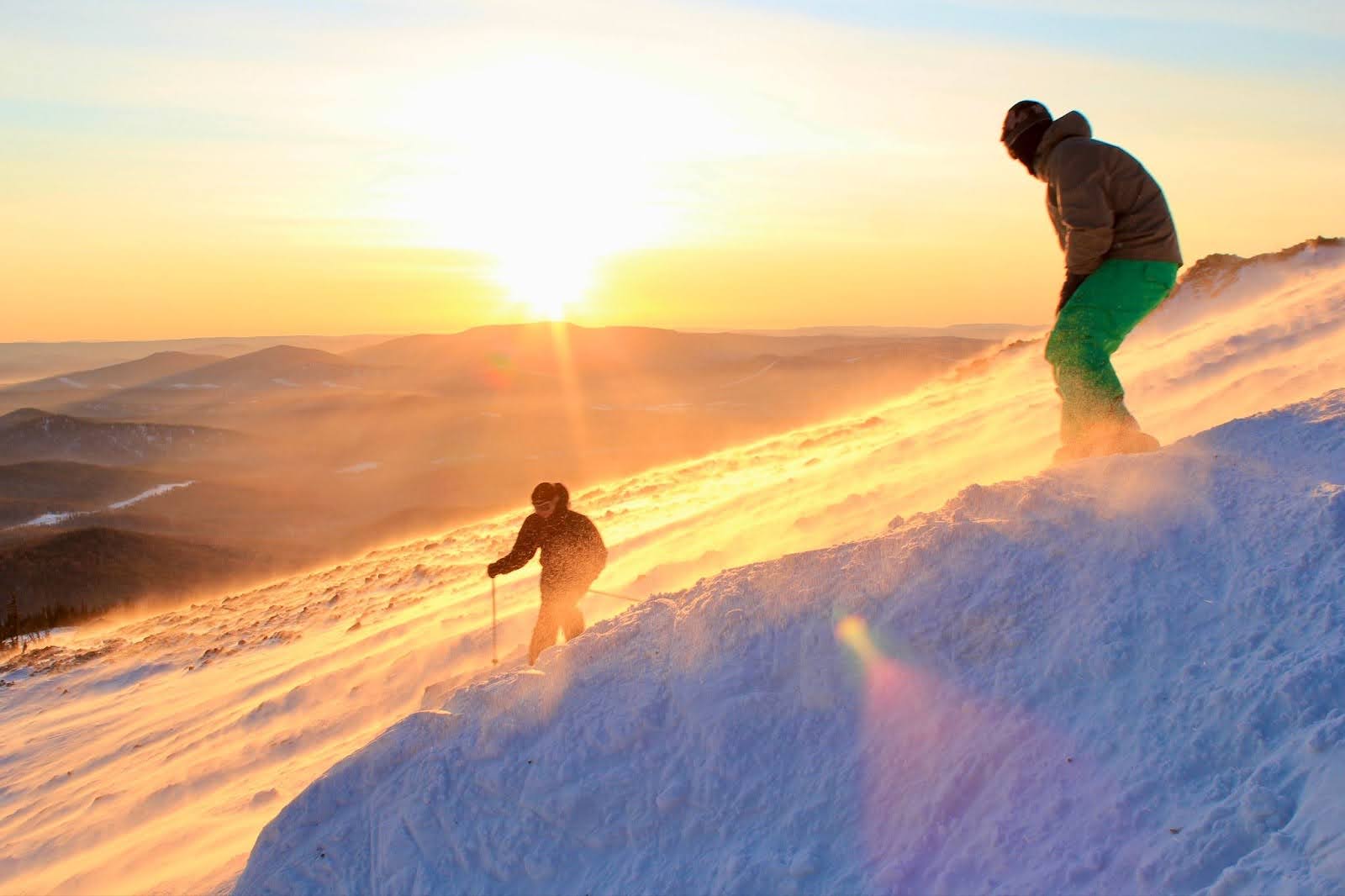
Choosing between skiing and snowboarding sounds simple - until you actually have to do it. Both sports promise mountain views, adrenaline, and that unmistakable après-ski glow. Yet for beginners, the decision often feels heavier than it should. The truth is that neither option is “better” in absolute terms. The right choice depends on how you learn, what you expect from your first days on snow, and what kind of experience you want to take home.
This guide breaks down skiing and snowboarding from a beginner’s perspective - how they feel, how fast you progress, what’s harder (and what isn’t), and which option fits different personalities, ages, and travel plans. By the end, you should have a clear sense of where to start.
For most first-timers, skiing versus snowboarding becomes emotional rather than logical. You might picture graceful skiers carving turns or snowboarders floating through powder and wonder which version of yourself you want to be. Social pressure plays a role too - friends, family, or social media often push one option as “cooler” or “easier.”
What makes the choice confusing is that skiing and snowboarding challenge beginners in different ways. Skiing feels more natural on day one, while snowboarding often feels more intuitive after a few days. Many people hear contradictory advice because both experiences are true. Understanding this trade-off upfront makes the decision far less stressful.
Skiing tends to feel familiar almost immediately. Facing forward, moving your legs independently, and using poles for balance resemble everyday movements like walking or climbing stairs. On your first day, you can usually stand, slide, and even make basic turns with relative confidence.
However, that early comfort can be misleading. While skiing starts gently, refining technique takes time. Beginners often struggle with coordinating legs, managing speed, and maintaining balance on steeper slopes. Falls are usually less dramatic than in snowboarding, but mistakes can feel repetitive.
In short, skiing offers quick wins early on, which is why many first-time skiers feel encouraged after just one lesson.
Snowboarding, by contrast, feels awkward at first for many people. Standing sideways, strapping both feet to one board, and relying on edge control can be unintuitive. Beginners often spend their first day falling - mostly forward or backward - while learning how to balance and stop.
The learning curve, however, shifts quickly. Once you understand edge control and linking turns, progress accelerates. Many snowboarders report a “breakthrough moment” where everything suddenly clicks, often around day three or four.
Snowboarding’s early frustration is real, but so is the reward of rapid improvement once fundamentals are in place.
For most beginners, skiing is easier at the very start, while snowboarding becomes easier after the initial hurdle. Skiing allows you to control speed and direction earlier, which can feel reassuring on gentle slopes. Snowboarding requires patience before that sense of control appears.
If your goal is to enjoy yourself immediately and feel capable on day one, skiing usually wins. If you’re willing to struggle a bit early in exchange for faster long-term progress, snowboarding may be more satisfying.
Neither path is wrong - it depends on how you personally respond to early challenges.
Confidence doesn’t come at the same pace for everyone, but patterns do exist. Skiers often feel comfortable using beginner lifts and blue runs within a few days, though technical refinement can take years. Snowboarders might feel unsteady at first but often gain strong control within a week.
The key difference is when confidence arrives. Skiing delivers it early and builds slowly. Snowboarding delays it but then accelerates quickly. Knowing this helps set realistic expectations and prevents unnecessary frustration.
Skiing and snowboarding stress the body differently. Skiing relies heavily on leg endurance, knee stability, and coordination between limbs. It can feel tiring for beginners, especially after long days.
Snowboarding demands core strength and balance, particularly when learning to control edges and recover from falls. Beginners may feel sore in the wrists, tailbone, or thighs after the first sessions.
If you have knee concerns, snowboarding can sometimes feel gentler due to the sideways stance. If wrist injuries worry you, skiing may feel safer. Physical comfort is a legitimate factor in your decision.
Your previous sports experience plays a surprisingly large role. People with backgrounds in skating, surfing, wakeboarding, or skateboarding often adapt faster to snowboarding because edge control and sideways balance feel familiar.
Those with experience in cycling, hiking, or team sports often find skiing more intuitive due to its forward-facing stance and independent leg movement. Even fitness level matters less than coordination and comfort with balance.
Thinking about what you already enjoy can point you toward the sport that feels natural rather than forced.
Falls are part of learning, regardless of your choice. Skiing falls tend to be less frequent but more spread out across the body. Snowboarding falls happen more often at first, usually backward or forward, but decrease rapidly as technique improves.
Protective gear helps in both cases. Helmets are essential, and snowboarders often benefit from wrist guards and padded shorts. Proper instruction reduces risk significantly, making lessons a smart investment for beginners.
Fear of falling shouldn’t drive your decision, but understanding how falls happen can reduce anxiety.
Comfort matters more than beginners expect. Ski boots are rigid and can feel restrictive, especially when walking. Snowboard boots are softer and more comfortable off the slopes, making them appealing for resort life.
Carrying equipment also differs. Skis, poles, and boots can feel cumbersome, while a snowboard is easier to manage once you’re used to it. Small details like this affect your daily experience, especially on longer trips.
Trying on equipment before committing often reveals preferences you didn’t anticipate.
For children, skiing is usually the recommended starting point. It allows better control on flat terrain and is easier to manage in ski schools. Most resorts are designed with young skiers in mind.
Adults learning alongside children may also prefer skiing to stay together on similar terrain. Snowboarding can work for kids too, but it often requires more individual attention early on.
Family dynamics matter - choosing the same sport can simplify lessons, logistics, and shared experiences.
Your travel companions influence your choice more than you might expect. If most of your group skis, starting on skis makes it easier to stay together on the mountain. The same applies to snowboarding groups.
That said, mixed groups are common, and resorts cater well to both. The main consideration is pacing - skiers and snowboarders often take breaks differently, especially at the beginner level.
Choosing based on group dynamics can make the trip smoother and more enjoyable.
Thinking beyond your first trip can clarify your decision. Skiing offers endless technical refinement - carving, moguls, off-piste skills - that reward long-term dedication. Snowboarding often feels more expressive, with a strong focus on flow, freestyle, and terrain features.
If you imagine yourself chasing precision and technique, skiing may appeal more. If creativity, style, and freedom matter, snowboarding often resonates deeply.
Visualizing your future self on the mountain can be surprisingly helpful.
Costs for skiing and snowboarding are broadly similar, including lift passes, rentals, and lessons. Ski lessons are more widely available, especially in smaller resorts, while snowboard instructors can be slightly less common.
Lesson structure differs too. Snowboarding lessons often focus intensely on fundamentals early, while skiing lessons spread skills more evenly. Choosing professional instruction dramatically improves both experiences and shortens the learning curve.
Budget shouldn’t be the deciding factor - but lesson availability might be.
You should try skiing first if you:
You should try snowboarding first if you:
Neither choice locks you in forever. Many people switch later - or do both.
Absolutely. Some resorts even encourage split lessons or short beginner sessions in both disciplines. Trying each for a day can remove doubt and give you firsthand clarity.
There’s no rule saying you must commit immediately. The mountains will still be there.
Skiing and snowboarding are two paths into the same world - snowy landscapes, shared effort, and unforgettable moments. The “best” choice isn’t about trends or difficulty charts. It’s about what keeps you smiling, motivated, and excited to come back.
Whichever you choose, your first days won’t be perfect - and they don’t need to be. Progress, not perfection, is what makes winter sports addictive.
And once you’ve made your choice, the only real question left is: when are you going?


.png)
.png)
.png)
.png)
