Dec 16, 2025

13 minutes
Is Skiing in Switzerland Expensive? A Realistic Cost Breakdown
Skiing in Switzerland has a reputation for being expensive. Here’s what actually costs more, what doesn’t, and how to ski Switzerland on a budget.

By
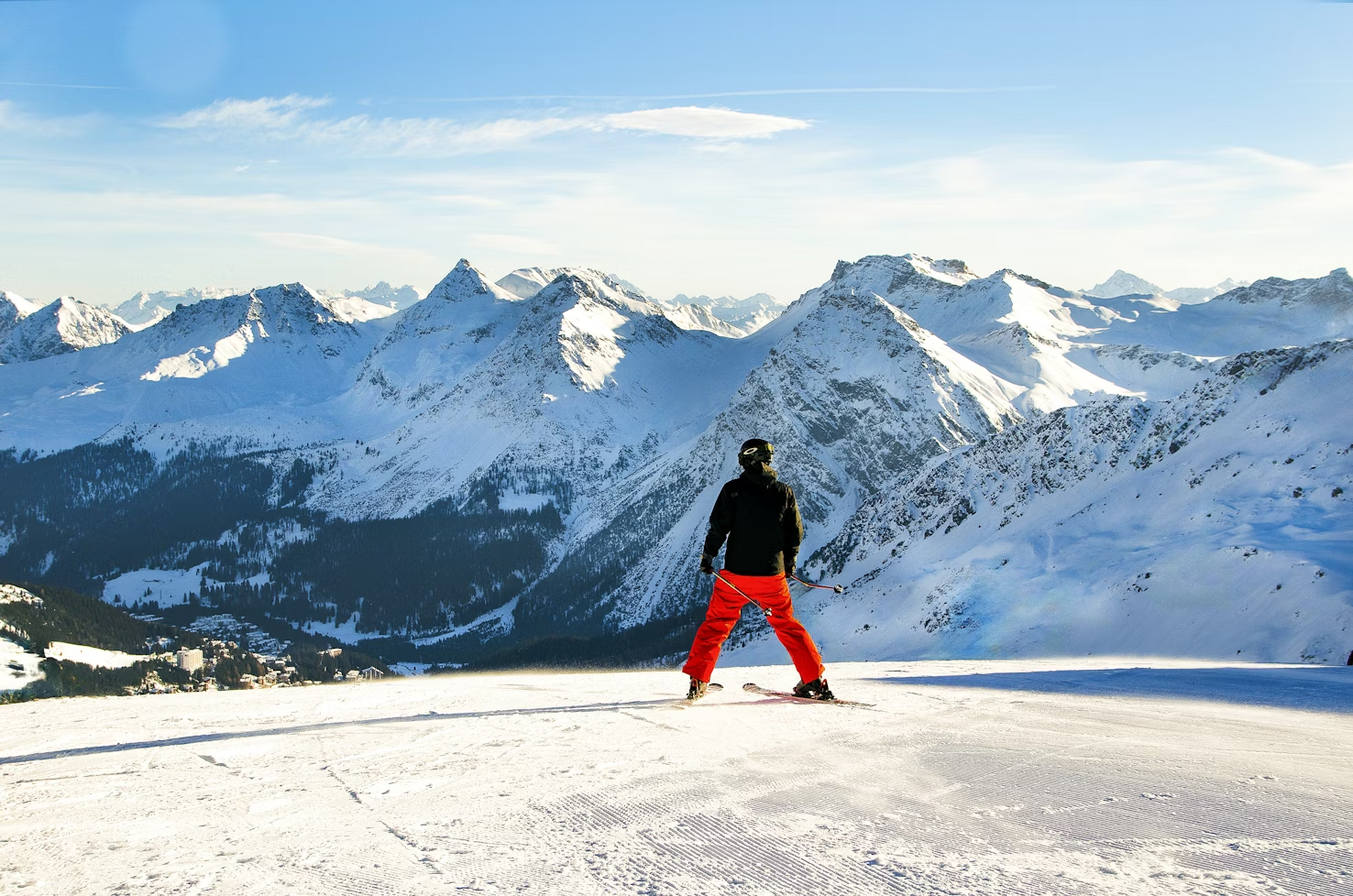
Switzerland has a reputation for being one of the most expensive places in the Alps - and skiing there often gets labelled as a luxury experience by default.
Switzerland has a reputation for being one of the most expensive places in the Alps - and skiing there often gets labelled as a luxury experience by default. Lift passes cost more, hotels look polished, and stories of €20 burgers circulate widely. But is skiing in Switzerland actually expensive compared to the rest of the Alps?
The honest answer is: yes, Switzerland is more expensive on average - but not always by as much as people think. And with the right choices, skiing in Switzerland can be surprisingly reasonable. This guide breaks down the real costs, explains where Switzerland is pricier, and shows how skiers can manage expenses without sacrificing the experience.
Switzerland’s high prices aren’t specific to skiing - they reflect the country’s overall cost of living. Wages, infrastructure, and services are more expensive, and that naturally affects ski resorts.
Swiss resorts also tend to invest heavily in:
The result is a polished, efficient ski experience - but one that often comes with higher prices than neighbouring countries.
Lift passes are usually the most visible cost difference. Swiss lift passes tend to be 10–30% more expensive than equivalent passes in France or Austria.
That said, Swiss passes often include:
Some Swiss resorts also offer flexible or dynamic pricing, meaning early bookings or multi-day passes can reduce the gap significantly.
Accommodation is where Switzerland often feels most expensive. Hotels, especially in iconic resorts like Zermatt or St. Moritz, can be significantly pricier than similar options elsewhere.
However, costs vary widely by:
Self-catered apartments, guesthouses, and staying in nearby villages can dramatically reduce costs. Switzerland isn’t uniformly expensive - it’s unevenly expensive.
Mountain restaurants in Switzerland are often cited as a shock point - and it’s true that dining on the slopes costs more than in many Alpine countries.
Expect:
The upside is consistency. Swiss mountain restaurants are reliable, well-run, and rarely overcrowded. Packing snacks or eating in village bakeries can offset costs.
Ski lessons in Switzerland are generally more expensive than in Austria or France. Instructors are highly trained, and group sizes are often smaller.
While the price is higher, many skiers find:
For beginners or short trips, higher lesson costs can be worth the value delivered.
Equipment rental in Switzerland is slightly more expensive on average, but the difference is usually modest. Rental shops are well organised, modern, and service-focused.
For longer trips, booking rentals in advance or choosing off-mountain shops can help manage costs.
In most cases:
However, when comparing Switzerland to high-end French resorts like Courchevel 1850 or Val d’Isère, the gap narrows significantly. Switzerland isn’t always the most expensive - it’s just consistently premium.
Yes - but it requires planning.
Ways to reduce costs include:
Resorts like Saas-Fee, Andermatt, and Engelberg can offer excellent skiing at more reasonable prices than Switzerland’s most famous names.
Many skiers believe Switzerland delivers value through:
You’re not just paying for skiing - you’re paying for efficiency, organisation, and atmosphere. Whether that’s “worth it” depends on what you value most.
Switzerland tends to suit:
Budget-focused beginners may find better value elsewhere - but that doesn’t mean Switzerland should be ruled out entirely.
Is Switzerland the most expensive place to ski in Europe?
Not always - but it’s among the most consistently expensive.
Can beginners ski affordably in Switzerland?
Yes, by choosing quieter resorts and planning carefully.
Are Swiss lift passes worth the price?
For many skiers, the reliability and scale justify the cost.
Skiing in Switzerland is undeniably more expensive than many Alpine alternatives. But it’s also more predictable, polished, and refined. The key is understanding where the money goes - and deciding whether those priorities align with your trip.
For skiers who value scenery, organisation, and reliability, Switzerland often feels worth the extra cost. For others, neighbouring countries may offer better value.
Either way, Switzerland remains one of the Alps’ most compelling ski destinations - at any price point.


.png)
.png)
.png)
.png)
