Mar 19, 2026

10 minutes
What Is a Ski Holiday Like?
What is a ski holiday like? This guide explains what to expect from a typical ski holiday — daily routine, costs, resort life, lessons, après-ski, and who ski holidays suit best.

By
Sara Lee
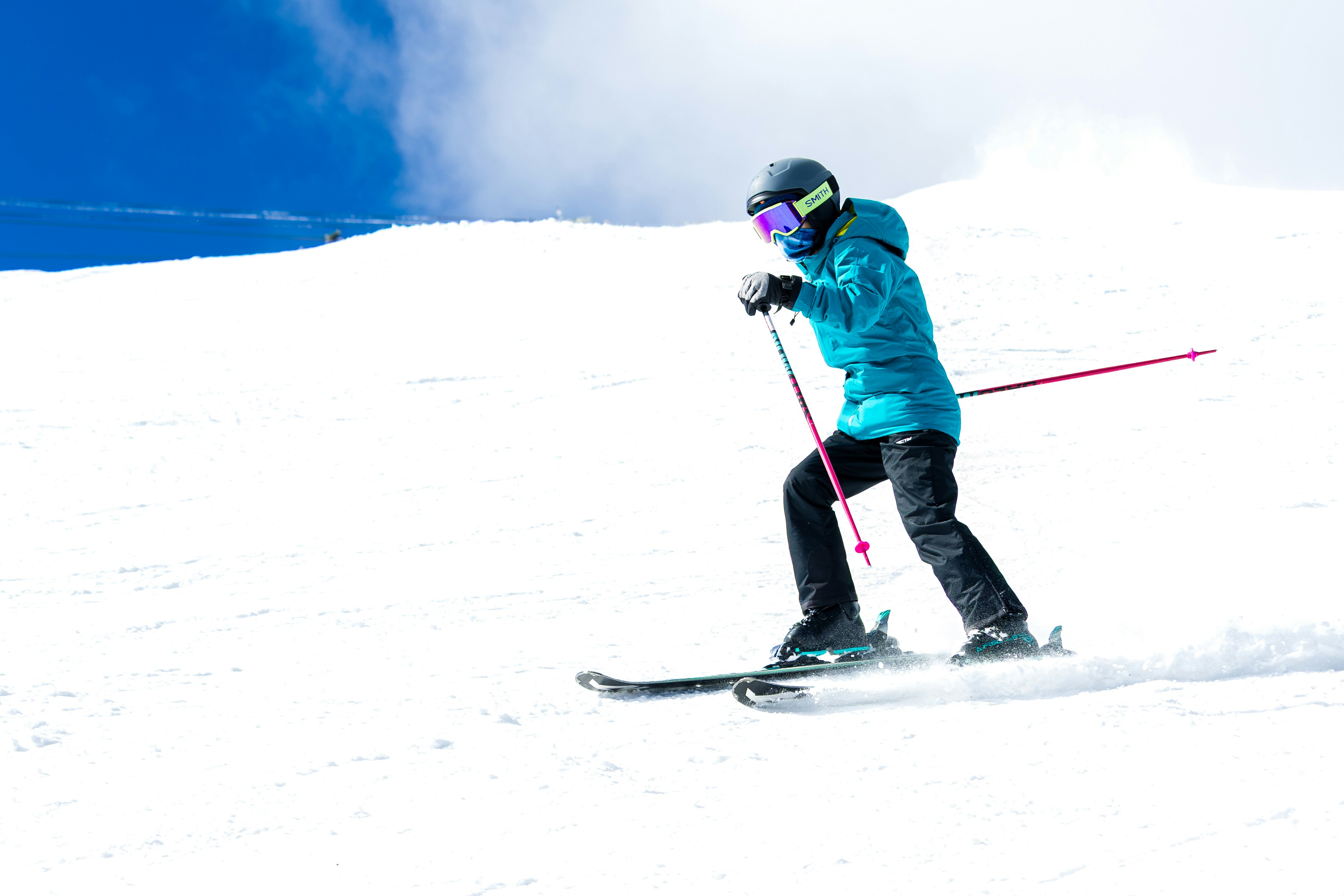
A ski holiday is a week-long trip to a mountain resort where the main activity is skiing or snowboarding on prepared slopes. Most ski holidays follow a similar daily rhythm: breakfast, skiing from morning until late afternoon, lunch on the mountain, and an evening in the resort with food, drinks, and rest. The experience combines physical activity, mountain scenery, and a social atmosphere that is different from any other type of holiday. For most travelers, the biggest surprises are how physically demanding skiing is, how much time is spent on the mountain, and how quickly the week goes.
A ski holiday takes place in a purpose-built mountain resort where the infrastructure — lifts, slopes, accommodation, restaurants, and ski schools — exists specifically to support winter sport. Most European ski resorts operate from December to April, with the peak season running from January to mid-March.
Resorts range from small traditional villages with a single ski area to large purpose-built destinations connected across multiple mountains and valleys. A small resort might have 50–100km of marked runs and 20–30 lifts. A large interconnected ski area such as the Trois Vallées in France covers over 600km of runs and more than 170 lifts.
The resort provides everything needed for a ski holiday within walking distance or a short lift ride. Ski hire shops, ski schools, lift ticket offices, restaurants, supermarkets, and medical facilities are all typically located in the resort village. This concentration of services makes ski resorts self-contained in a way that most holiday destinations are not.
For first-time visitors, the resort environment can feel unfamiliar. The combination of altitude, cold temperatures, heavy equipment, and physical exertion is different from other holidays. Most travelers adjust within the first day or two and find the routine enjoyable and energizing by mid-week.
The daily routine on a ski holiday is more structured than most other types of holiday. Lifts typically open between 8:30am and 9:00am and close between 4:00pm and 4:30pm. Most skiers aim to be on the slopes shortly after opening to enjoy the best snow conditions before the mountain gets busy.
Breakfast is usually taken early at the accommodation, between 7:30am and 8:30am. Skiers then travel to the lift station — either by walking, taking a free resort shuttle, or skiing directly from their accommodation if they have ski-in ski-out access. The morning session typically runs from lift opening until around 12:30pm, covering 4–6 hours of active skiing depending on fitness and ability level.
Lunch is taken on the mountain at a mid-station restaurant or mountain hut, usually lasting 45–90 minutes. Afternoon skiing runs from approximately 1:30pm until lift closing. After the lifts close, most skiers return to their accommodation to rest, shower, and change before the evening begins.
Evenings in ski resorts typically involve dinner at a resort restaurant or in the accommodation, followed by drinks or socializing. Most travelers find that physical tiredness from skiing means early nights are common, particularly in the first half of the week.
For first-time skiers, the first two days of a ski holiday look very different from the rest of the week. Beginners are not ready to access the main mountain immediately. The first sessions take place on a beginner slope — called a nursery slope or magic carpet area — where instructors teach basic movements, stopping, and turning in a controlled environment.
Most ski schools run structured beginner programmes over five or six days. By the end of day two or three, most beginners can link basic turns on a gentle green or blue slope. By the end of the week, many first-time skiers can ski simple blue runs independently, though ability varies significantly between individuals.
Group lessons for adults typically run for 3–4 hours each morning, starting at 9:00am or 9:30am. The group size is usually 6–10 people of similar ability. Afternoons are typically free for practice on the beginner slopes or rest.
The learning curve in skiing is steep in the first two days and becomes more gradual after that. The first day is often the most physically and mentally challenging, as the equipment, balance requirements, and mountain environment are all unfamiliar. Most first-time skiers find that the experience improves significantly from day three onwards.
Skiers with existing experience have a very different holiday experience from beginners. Intermediate and advanced skiers spend the full day exploring the mountain, accessing a wide range of slopes across different difficulty levels and altitude zones.
An intermediate skier on a large Alpine mountain typically covers 25–40km per day across multiple runs and lift journeys. Advanced skiers may cover 50–80km per day on a large ski area. This physical output — sustained for five or six days — is demanding even for fit travelers and contributes to the tiredness that most skiers feel by the end of the week.
Experienced skiers often use a ski holiday to explore unfamiliar terrain, improve specific technical skills, or challenge themselves on steeper black runs and off-piste areas. Some book a day or two of private instruction even at advanced level to work on technique with a professional coach.
For intermediate and advanced skiers, the quality of the ski area matters significantly. A larger connected ski area provides more variety and allows skiers to explore different sectors each day without repeating the same runs. This variety is one reason why experienced skiers often prefer larger, more established resorts despite their higher cost.
Lunch on the mountain is not just a meal — it is a defining part of the ski holiday experience. Mountain restaurants and traditional Alpine huts provide warm, sociable spaces to rest, eat, and enjoy the scenery before returning to the slopes for the afternoon session.
Mountain restaurants range from self-service cafeterias serving hot meals and drinks to full-service restaurants with table service and regional menus. A sit-down lunch typically costs £20–£35 per person including a main course and a drink. Self-service options are available at most resorts for £12–£18 per person.
Traditional mountain huts, known as berghutten in German-speaking resorts and refuges in French resorts, offer a more characterful dining experience. These wood-panelled venues serve local specialties such as rösti, raclette, and fondue alongside cold drinks and coffee. Many have outdoor terrace seating with panoramic views, which are popular on clear weather days.
The choice of lunch venue is part of the daily rhythm that experienced ski travelers plan in advance. Popular mountain restaurants fill up quickly between 12:00pm and 1:30pm, particularly during peak weeks. Arriving slightly earlier or later than the main lunch rush makes the experience more relaxed and can reduce waiting time.
Après-ski refers to the social activity that takes place between the end of the ski day and the evening meal. In most resorts, this runs from approximately 4:00pm to 7:00pm. The character of après-ski varies significantly between different resort types and countries.
Austrian resorts are widely known for lively après-ski culture, with music, dancing, and drinks served at slope-side bars immediately after lift closing. Resorts such as St Anton and Ischgl have an international reputation for energetic après-ski atmospheres that continue well into the evening. This social element attracts travelers who want an active, sociable holiday in addition to skiing.
French and Swiss resorts tend to have a quieter après-ski culture, with more emphasis on restaurant dining and relaxed drinks rather than organized bar events. British-friendly resorts in France, such as Méribel and Morzine, often have bars catering specifically to the social expectations of UK travelers.
Not all travelers engage with après-ski. Families with young children, travelers focused on skiing performance, and those who prefer early nights often skip après-ski entirely and use the time for rest before dinner. The presence or absence of a lively après-ski scene is a meaningful factor when choosing a resort, particularly for groups with different social expectations.
Skiing is more physically demanding than most first-time travelers expect. The combination of cold air, altitude, sustained muscle effort, and the mental concentration required to control movement on snow creates a level of tiredness that is different from other physical activities.
Muscle soreness — particularly in the thighs, calves, and core — is common after the first two days of skiing. This is normal and typically reduces by mid-week as the body adapts. First-time skiers and travelers who are not regularly active before the holiday tend to feel this more strongly than fit or experienced skiers.
Altitude affects some travelers, particularly in high-altitude resorts above 1,800m. Mild symptoms including fatigue, headache, and reduced appetite are common in the first 24–48 hours at altitude. Staying hydrated and avoiding excessive alcohol on the first night helps the body adjust more quickly.
The physical challenge of skiing is also one of its main appeals. Many travelers describe the end-of-day tiredness from skiing as satisfying in a way that passive holidays are not. The combination of outdoor exercise, mountain air, and physical achievement contributes to the sense of wellbeing that most skiers report after a week on the slopes.
Skiing is often perceived as a sport for young, fit travelers, but this is not accurate. Ski resorts cater to a wide range of ages, fitness levels, and abilities. Children as young as three or four ski regularly in Alpine resorts, and many resorts have active skier populations well into their 60s and 70s.
The key factor is not fitness level but willingness to learn and adapt. First-time skiers of all ages can take lessons and progress at their own pace. Ski school programmes exist specifically for adults, seniors, and children, with instructors experienced in teaching people at every stage of life.
Non-skiers can also enjoy ski resorts fully. Most resorts offer snowshoeing, winter hiking, sledging, ice skating, spa facilities, and snowmobile tours. A ski holiday with a mixed group — some skiing, some not — is entirely practical in most major resorts, which are designed to offer activities beyond skiing.
Travelers with physical limitations or health conditions should consult with a doctor before booking a ski holiday and research resort accessibility in advance. Some resorts offer adaptive skiing programmes for travelers with disabilities, including sit-skiing and guided instruction for visually impaired skiers.
The arc of a ski holiday week follows a pattern that most experienced ski travelers recognize. The first day involves orientation — getting equipment, purchasing passes, finding the mountain, and adjusting to the environment. Days two and three are typically the most physically demanding as muscles adapt. Days four and five are often the best skiing days, when the body is adjusted, technique has improved, and confidence is higher. The final day often brings a mix of tiredness and reluctance to leave.
This pattern applies across ability levels. Beginners experience it as a learning curve, moving from struggling on nursery slopes to skiing independently by the end of the week. Experienced skiers experience it as a progressive exploration of the mountain, covering more varied terrain as the week develops.
Most travelers who complete a full ski holiday week — particularly beginners who push through the difficult first two days — return for subsequent trips. The combination of physical activity, mountain environment, daily progress, and social experience creates a form of engagement that is difficult to replicate in other holiday formats.
Planning the week with this arc in mind helps set realistic expectations. The first day will not feel like the last day. Progress takes time. A traveler who knows this in advance is better prepared for the early challenges and more likely to enjoy the full experience.
Taking children on a ski holiday requires more advance planning than an adult-only trip but is widely considered one of the most rewarding family holiday formats. Children learn to ski quickly — often faster than adults — and most Alpine resorts have well-developed facilities for families.
Children's ski school accepts children from age three or four at most resorts. Lessons are structured around play and short sessions rather than extended teaching periods, which keeps young children engaged. By the end of a week of lessons, most children aged five to eight can ski simple blue runs with confidence.
Practical considerations for families include booking ski school in advance, particularly during peak weeks when popular ski schools fill up quickly. Childcare facilities, known as crèches or nurseries, are available at many resorts for children under ski school age. These typically accept children from 18 months and operate during ski school hours.
Resort choice matters significantly for families. Resorts with gentle beginner slopes, good ski schools, short lift queues, and family-friendly accommodation make the experience considerably easier. Resorts with a strong family reputation include Les Gets in France, Söll in Austria, and Saas-Fee in Switzerland. These destinations combine good skiing with infrastructure specifically designed for families with young children.
A ski holiday is fundamentally different from other popular holiday formats. Beach holidays are primarily passive — relaxing, warm, and undemanding. City breaks are intellectually engaging but involve little physical activity. Ski holidays are physically demanding, skill-based, and set in a natural environment that changes daily with weather and snow conditions.
This difference is part of the appeal. Many travelers who ski regularly describe ski holidays as the most memorable and engaging trips they take. The combination of learning a skill, physical achievement, mountain scenery, and social activity in a resort environment creates a type of experience that is not available in other holiday formats.
The cost reflects this difference. A ski holiday costs more than a beach or city break of equivalent duration because it requires specialist infrastructure and involves more active components. Travelers who value activity, physical challenge, and outdoor environments tend to find the cost justifiable relative to the experience.
For travelers considering skiing for the first time, the advice from most experienced skiers is consistent: the first day is the hardest, the first week is the most expensive, and most people who complete it want to come back. The combination of challenge and reward that defines skiing as a sport also defines a ski holiday as a travel experience.


.png)
.png)
.png)
.png)
