Feb 15, 2026

18 minutes
Swiss Alps vs French Alps: Which Is Better for Your Ski Trip?
Swiss Alps or French Alps — which is better? This in-depth comparison explains terrain scale, scenery, cost, infrastructure, food, crowds, beginners, luxury, and trip type differences.

By
Sara Lee
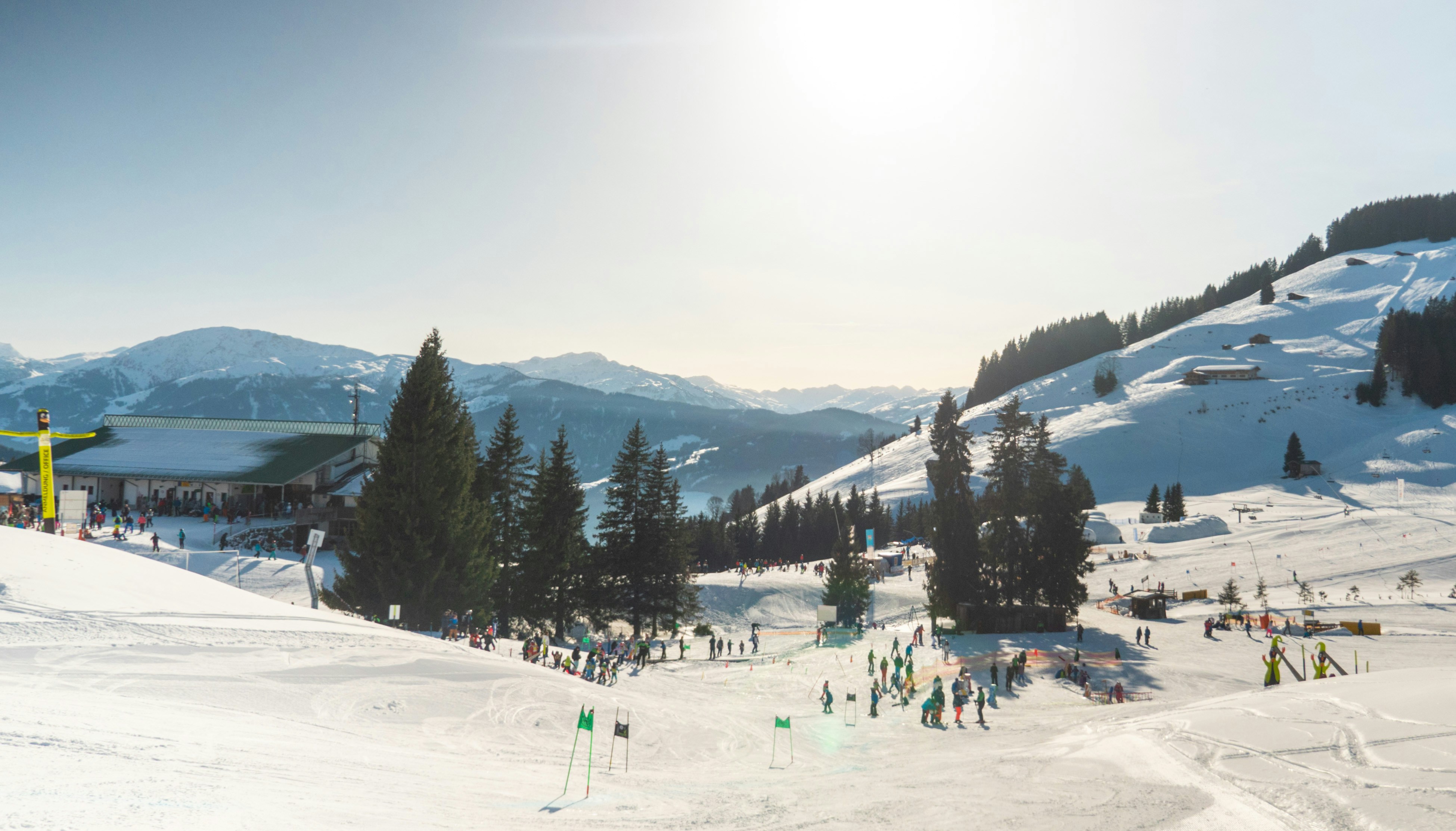
The Swiss Alps and the French Alps both offer exceptional skiing, but they excel in different areas. The French Alps generally provide larger linked ski domains and better overall value, while the Swiss Alps are known for dramatic scenery, precision infrastructure, and refined mountain culture.
The better choice depends on what you prioritise: terrain scale, visual drama, logistics, food, price, or atmosphere. Both countries contain high-altitude resorts, historic villages, and modern ski hubs, but the overall feel of a ski trip differs significantly.
This guide compares the Swiss and French Alps across terrain, cost, accessibility, resort design, culture, crowds, and traveller type so you can determine which destination aligns best with your expectations.
The French Alps generally offer larger lift-linked ski areas than Switzerland. Resorts such as Les 3 Vallées, Paradiski, and Tignes–Val d’Isère allow skiers to cover vast terrain without needing transport between sectors.
Large French domains benefit:
These ski areas are designed around flow. Long interconnected blue and red runs allow continuous skiing across valleys, which reduces logistical friction.
Swiss resorts can be large, but they are often segmented by geography, requiring trains or buses between sections. If “better” means maximum terrain accessible on one lift pass without interruption, the French Alps usually lead.
The Swiss Alps often feel visually more dramatic. Iconic peaks such as the Matterhorn, Eiger, and Jungfrau create immediate alpine impact that shapes the emotional tone of a ski trip.
Swiss valleys tend to be steeper and more defined, enhancing the perception of verticality. Even mid-sized Swiss resorts feel visually intense because of surrounding mountain structure.
France offers beautiful scenery, but many large resorts sit on broad high-altitude plateaus that feel expansive rather than dramatic. The aesthetic difference is noticeable.
If “better” means powerful, cinematic mountain views, Switzerland frequently surpasses France in raw visual presence.
Many French resorts were purpose-built for skiing efficiency. Accommodation is often located directly on the slopes, reducing walking and transport time.
Advantages include:
This infrastructure benefits families and performance-focused skiers. The trade-off is architectural variation: some purpose-built resorts feel less organic or historic.
Swiss villages often require walking or train access to lifts, which adds charm but reduces slope immediacy. If “better” means convenience and ski flow, French resort design often wins.
Swiss ski resorts are widely recognised for operational precision. Lift systems, train schedules, signage, and mountain restaurants operate with notable consistency.
Switzerland integrates rail transport directly into ski logistics. Resorts like Zermatt and Wengen are car-free and connected by efficient trains, creating a structured, calm environment.
French resorts are efficient but less uniformly integrated with national rail systems. Transfer planning can be simpler in Switzerland for travellers prioritising reliability.
If “better” means predictability and organisation, the Swiss Alps often feel more refined.
France typically offers better overall value. Accommodation options include numerous self-catered apartments, and lift pass prices are often lower relative to terrain size.
Switzerland’s higher wage structure and currency strength increase:
For budget-conscious travellers, the French Alps usually provide similar ski quality at a lower total trip cost.
If affordability is central to your decision, France generally delivers stronger value.
Swiss mountain restaurants frequently emphasise quality and tradition. Dishes such as rösti, fondue, and regional Alpine specialities are served in well-maintained dining spaces.
French mountain food ranges widely. Large ski areas can include excellent restaurants but also higher-volume establishments prioritising speed.
Switzerland’s smaller scale and price structure often allow for more consistent culinary standards. If food quality and relaxed lunches matter heavily, Switzerland may feel superior.
Mixed-ability groups often function more smoothly in large French domains. Extensive intermediate terrain allows varied skiers to share routes without constant separation.
Parallel lift lines and layered blue/red terrain reduce pressure on weaker skiers while still engaging stronger ones.
Swiss resorts sometimes concentrate difficulty or segment terrain geographically, complicating group coordination.
If you are organising a group with varied skill levels, France often provides easier daily logistics.
Switzerland often feels like a mountain country first and a ski destination second. Many Swiss resorts operate year-round, supporting hiking, mountaineering, and tourism beyond winter.
This produces:
Some French resorts, particularly purpose-built ones, feel more seasonal and tourism-driven.
If authenticity and year-round mountain identity matter to you, Switzerland may feel deeper culturally.
Snow quality varies more by elevation than nationality. Both France and Switzerland contain very high-altitude resorts.
France offers Val Thorens and Tignes. Switzerland offers Zermatt and Saas-Fee. Mid-altitude resorts in both countries rely more heavily on snowmaking.
Country choice alone does not determine snow certainty. Evaluating resort altitude and glacier access is more important.
France typically offers livelier après-ski scenes, particularly in resorts such as Val d’Isère and Méribel. Music, terrace bars, and late-night energy form part of the ski culture.
Swiss après-ski tends to feel calmer and more restrained. Socialising focuses more on dining and relaxed drinks than high-volume party atmospheres.
If nightlife and energy are central to your trip, France often feels more dynamic.
The French Alps benefit from proximity to Geneva, Lyon, and Grenoble airports, often within two to three hours of major resorts.
Switzerland offers excellent rail integration from Zurich and Geneva, but some resorts require longer connections.
For travellers flying from the UK or Western Europe, French resorts often involve slightly shorter transfer times.
Beginners often benefit from extensive green and blue terrain in French mega-resorts. Purpose-built learning areas and wide pistes support steady progression.
Swiss resorts can also be beginner-friendly, but terrain segmentation and steeper gradients in some regions may limit early confidence.
If “better” means smoother beginner progression with less navigation stress, France often provides stronger infrastructure.
Luxury exists in both countries, but it presents differently. French luxury is visible in Courchevel 1850, while Swiss luxury often feels understated and discreet.
Swiss resorts prioritise privacy, calm, and service quality rather than visible glamour.
If refinement without overt spectacle appeals to you, Switzerland may feel more aligned.
France often suits week-long ski holidays due to terrain scale and price efficiency. Switzerland can feel ideal for shorter, high-quality trips where scenery and organisation matter more than size.
Short breaks benefit from Swiss rail reliability. Longer stays benefit from French domain variety.
Trip length influences which destination feels better.
France offers scale, value, energy, and ski-in/ski-out efficiency. Switzerland offers scenery, organisation, culinary consistency, and refined mountain culture.
If you prioritise terrain size and budget, France is often better. If you prioritise dramatic views and operational precision, Switzerland may feel superior.
Both are exceptional. The better Alps are the ones that match how you want your ski trip to feel.


.png)
.png)
.png)
.png)
