May 5, 2026

10 minutes
Ski Holiday in Europe vs North America
Deciding between a ski holiday in Europe or North America? Compare costs, terrain, off-piste rules, and après-ski culture to choose your perfect 2026 winter trip.

By
Elena Rossi
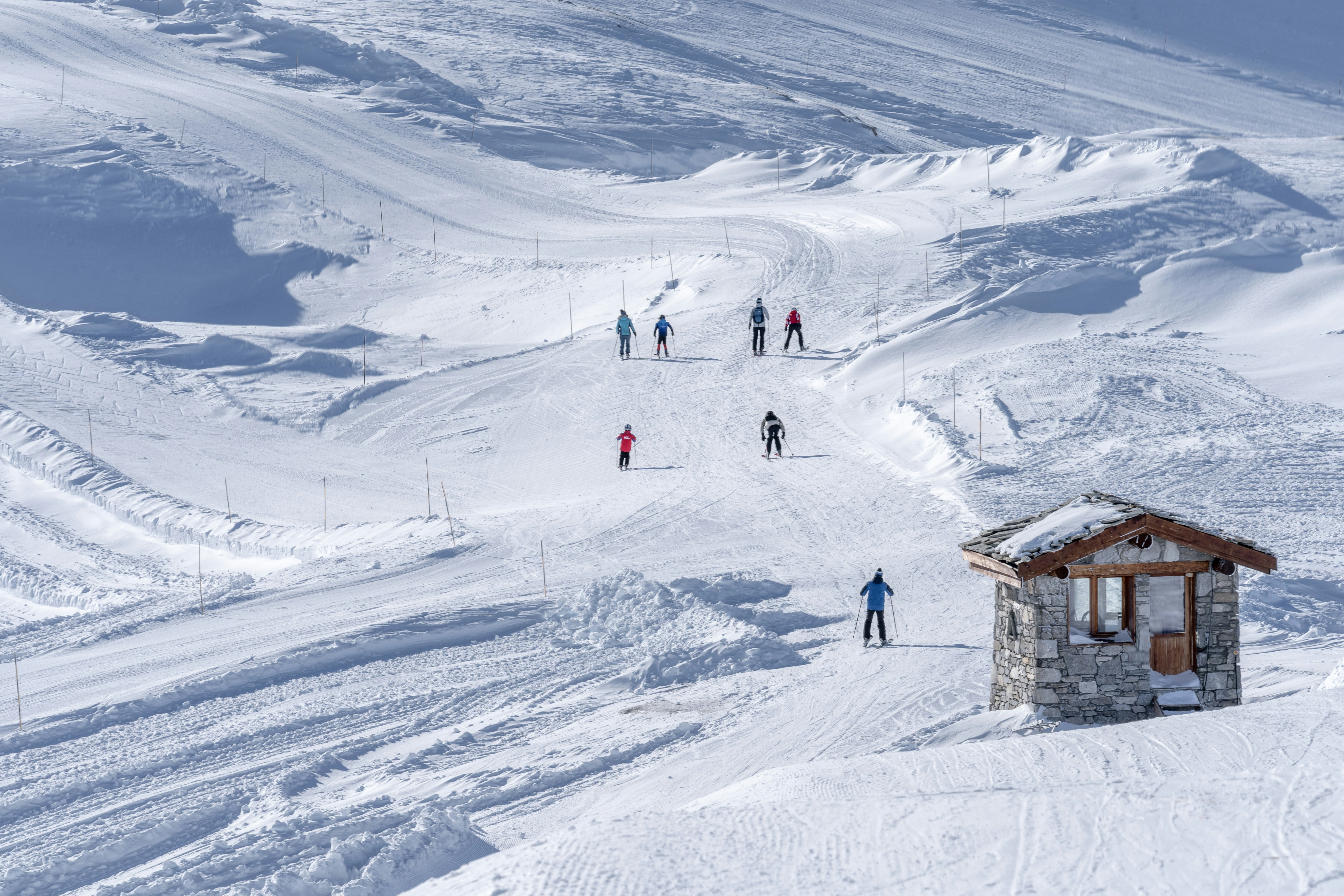
Choosing between the Alps and the Rockies is not just a geographical coin toss. It is a choice between two entirely different philosophies of winter travel, where the approach to safety, food, and pricing feels worlds apart.
The short answer is that Europe offers massive interconnected ski domains, highly affordable daily lift passes, and a culture built around long lunches and lively après-ski, while North America delivers unparalleled snow quality, incredible tree skiing, and heavily structured customer service. Your choice depends entirely on whether you prioritize authentic alpine culture or chasing deep "champagne powder" in heavily controlled environments.
If you are asking, “Is it cheaper for an American to fly to Europe for a ski trip than to stay in the US?”, the shocking answer for the 2026 season is yes. Because North American walk-up lift ticket prices have skyrocketed well beyond $250 a day, the savings on European lift passes, food, and rentals easily cover the cost of a transatlantic flight.
Below is a structured breakdown comparing the financial reality of lift passes, terrain topography differences, strict off-piste safety rules, accommodation styles, and mountain dining cultures across both continents.
The business models of ski resorts on these two continents split a long time ago, creating a massive pricing gap for the average tourist planning a one-week holiday.
The United States and Canada run almost entirely on the mega-pass model. Corporations push skiers to buy expensive seasonal products like the Epic or Ikon pass during the summer months, locking in their revenue long before the first snowflake falls.
If you ignore this system and simply show up at a ticket window in Vail or Aspen in February, you will be punished financially. Walk-up daily rates now routinely hover between $250 and $300 for a single day of skiing, which is genuinely more expensive than a ticket to Disneyland.
This ecosystem only mathematically works for locals or hardcore skiers who plan to ride for more than ten days a season across various corporate-owned mountains. For a family flying in for a quick six-day holiday, the American pricing structure is brutally unforgiving.
Europe treats mountain access completely differently. Local municipalities or independent valley companies frequently own the lifts, which keeps prices grounded in reality and maintains healthy competition between neighboring villages.
The price gap is staggering. Buying a daily ticket for the Three Valleys in France gives you access to 600 kilometers of pristine pistes for roughly eighty-five euros. You get triple the terrain of a major American resort for a third of the daily price.
This affordability bleeds into the rest of the mountain economy. Renting a pair of premium carving skis or booking a private three-hour lesson with an instructor costs significantly less in Austria or Italy than it does in Colorado or Utah.
The physical mountains look and feel completely different depending on which side of the Atlantic you are standing on, naturally dictating how you spend your day.
The sheer scale of the European Alps is hard to comprehend until you ski there. Resorts connect multiple valleys and sometimes entire countries, allowing you to ride a gondola up in Switzerland and ski down into Italy for lunch without ever taking your boots off.
Most of this skiing happens high above the tree line. The pistes are carved into massive, open glacial bowls and rocky peaks, providing incredible panoramic views and a feeling of wide-open, limitless space.
You also have to adjust to the European grading system. Instead of the American green, blue, and black markers, Europe uses blue, red, and black. A European red run is a solid intermediate challenge that requires good edge control and technique.
North America is rightfully famous for "champagne powder." The interior Rockies receive incredibly dry, light snow that floats around your knees, creating the kind of effortless freeride conditions that European skiers can only dream about.
Tree skiing is the defining characteristic of a North American trip. Resorts actively cut designated routes through the pine forests, allowing skiers to weave safely between the trees, which is especially brilliant on days with flat light or heavy snowfall.
While the total acreage of an American resort might be smaller than a French mega-domain, they utilize every inch of vertical drop. Places like Jackson Hole or Whistler are physically smaller footprints, but they pack an intense variety of terrain into that space.
The American approach to boundary lines is incredibly consumer-friendly. In the US and Canada, everything inside the resort's boundary rope is heavily monitored and avalanche-bombed by professional ski patrols. If you see a patch of untracked powder in the trees between two runs, you can ski it safely knowing the area is controlled.
Europe operates on a strict "ski at your own risk" philosophy. The only things protected from avalanches in the Alps are the groomed pistes marked by colored poles. The exact second you step one foot off the groomed snow into the powder, you are in the wild backcountry, and the resort assumes absolutely no responsibility for your survival.
Because of this harsh reality, European off-piste skiing requires serious preparation. You cannot safely dip into an alpine bowl without hiring a UIAGM-certified mountain guide and wearing an avalanche transceiver, probe, and shovel.
European resorts lean heavily on their ancient history. Many alpine villages were farming communities hundreds of years before anyone invented a ski lift, featuring beautiful wooden chalets, narrow pedestrian streets, and incredible ski-in/ski-out access built directly into the town center.
North America operates on a very different, car-centric layout. The resort base area and the actual historic town are often separated by a highway, requiring you to drive a rental car or take a shuttle bus to a giant, flat parking lot before you can reach the gondola.
The culture of queuing is also wildly different. American "lifties" are famously enthusiastic, and the lift lines are perfectly organized and polite. In Europe, a busy morning lift queue is frequently a chaotic, elbows-out fight for survival where strangers will aggressively step on your skis to move forward.
The catered chalet remains the absolute king of European group travel. The British effectively invented this model, where you rent an entire alpine home and a private host cooks your breakfast, bakes afternoon cakes, and pours unlimited wine during your five-course dinner.
North America dominates the condominium market. Resorts in the Rockies are packed with massive, high-end condo buildings offering self-catered apartments with giant king-sized beds, massive modern kitchens, and heavy emphasis on space and privacy rather than hosted service.
Using a platform like Skibookers helps you navigate these completely different real estate markets. Whether you want a hosted wooden chalet in France or a luxury self-catered condo in Colorado, filtering your search guarantees you get the right balance of privacy and service for your group.
The way people eat and drink on the mountain completely defines the holiday vibe, and the two continents have entirely opposite philosophies regarding a lunch break.
In the Alps, lunch is a sacred two-hour ritual. Skiers happily unclip their boots, sit on sun-drenched wooden terraces, and spend their afternoon eating massive pans of tartiflette, sharing charcuterie boards, and drinking cold white wine.
The quality remains high because the restaurants are fiercely independent. Most mountain huts in Austria or Italy are owned by local farming families who pass the business down through generations, creating healthy competition that keeps the food authentic and reasonably priced.
European après-ski also starts early and hits hard. Famous slope-side clubs like La Folie Douce kick off the party at 3:00 PM, featuring live saxophonists and hundreds of people dancing on wooden tables in their ski boots long before the sun goes down.
American mountain dining is built for speed. The entire goal is to consume calories as quickly as possible so you can get back out into the powder, which is why cafeteria-style chili in bread bowls and basic burgers dominate the lunch menus.
The resort corporations usually own every single restaurant on the mountain. This monopoly strips away competition, leading to incredibly generic food and astronomical prices for a basic plate of french fries.
Après-ski in the US is far more relaxed and usually happens at the bottom of the mountain rather than on the peaks. You finish your ski day and head to a local dive bar in the town for craft beer, nachos, and live acoustic music in a laid-back atmosphere.
The idea that an American family saves money by driving to a local resort is completely dead in 2026. Once you factor in the devastating cost of US lift tickets, expensive on-mountain food, and premium lodging, staying domestic is frequently a financial mistake.
Flying to Geneva or Innsbruck requires a higher upfront cost for the airline ticket, but the ground costs immediately offset that expense. The math heavily favors the European trip, especially if you are traveling with a family of four.
Currency exchange rates play a massive role in this equation. A strong US dollar makes the Alps feel like an absolute bargain for Americans, whereas Europeans looking to ski the Rockies currently face a brutally expensive exchange rate on top of inflated ticket prices.
If your absolute priority is hunting deep, dry powder in the trees, North America is unbeatable. The Rockies offer guaranteed off-piste safety, perfectly structured lift queues, and incredible snow quality that forgives mistakes and makes everyone feel like a better skier.
If you value travel culture over extreme sports, Europe wins easily. You get to travel across massive interconnected valleys, eat incredible local food on sunny terraces, walk through ancient car-free villages, and pay a fraction of the price for your lift tickets.
Before you finalize your flights and search for accommodation on Skibookers, use this quick checklist to settle the debate for your group:


.png)
.png)
.png)
.png)
