Dec 14, 2025

14 minutes
Best Après-Ski Resorts If You’re Not Driving the Next Day
From legendary party towns to slope-side bars, these are the best après-ski resorts in Europe - perfect if you’re staying put and not driving anywhere tomorrow.

By
Elena Rossi
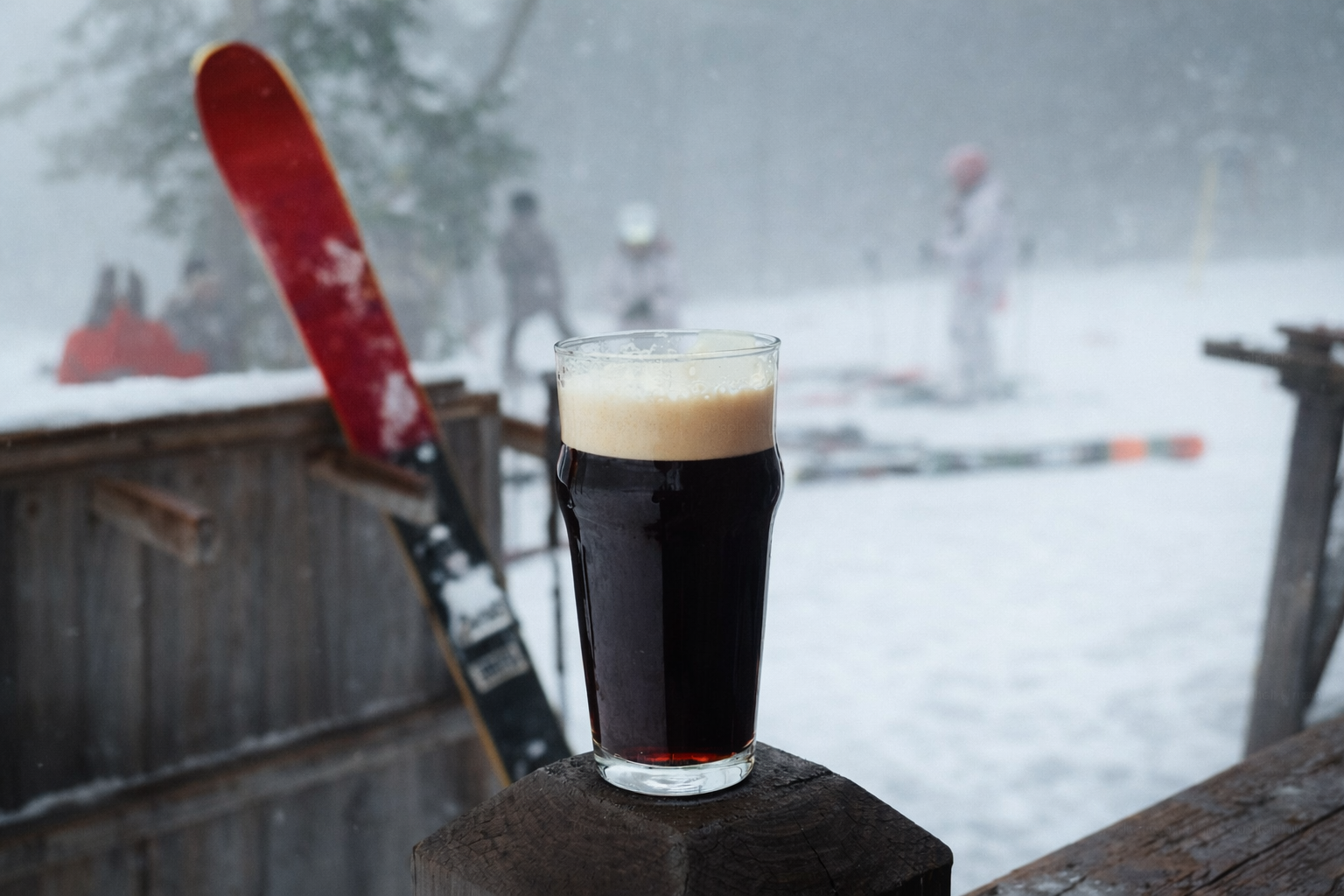
Après-ski is a sport of its own. And if you’re not driving the next day - no transfers, no early flights, no long road journeys - then the rules change completely.
Après-ski is a sport of its own. And if you’re not driving the next day - no transfers, no early flights, no long road journeys - then the rules change completely. You can lean fully into the experience: long lunches that turn into late afternoons, slope-side bars that don’t rush you out, and nights that end when they end.
Not every ski resort is built for this. Some are charming and quiet. Others are engineered for energy, convenience, and recovery. This guide covers the best après-ski resorts in Europe for travellers who can stay local the next day, where everything is walkable, ski-in/ski-out is common, and the atmosphere rewards commitment.
The best après-ski resorts share a few non-negotiable traits. It’s not just about loud bars - it’s about logistics.
Top après-ski resorts usually offer:
When you don’t need to drive, resorts with compact layouts and late-night culture become the clear winners.
St. Anton is often considered the benchmark for après-ski - and it earns that title daily. The scene famously starts on the mountain, not in the village.
Bars like MooserWirt and Krazy Kanguruh fill by mid-afternoon, with music, dancing, and crowds still in ski boots. From there, the party flows naturally into the village, where everything is walkable and late nights are expected.
St. Anton is ideal if:
If you’re not driving, St. Anton fully delivers.
Val d’Isère combines serious skiing with a wide, varied après-ski and nightlife scene. Unlike some resorts, the energy here doesn’t rely on one or two venues - it’s spread across bars, pubs, and late-night clubs.
Après-ski often starts on the slopes before shifting into the village, where venues are clustered closely together. Taxis are rarely needed if you stay centrally, and ski-in access makes daytime drinking dangerously easy.
Val d’Isère works best for:
It’s high-energy without being one-note.
Ischgl takes après-ski to another level - sometimes literally. Known for its massive open-air concerts and late-closing bars, Ischgl blends ski resort and music festival culture.
The village is compact, accommodation is close to lifts, and the après scene is polished but intense. If you’re not driving, you can go all-in without worrying about logistics.
Ischgl suits:
It’s less chaotic than St. Anton - but no less committed.
Mayrhofen attracts a younger crowd and delivers a loud, social après-ski scene that extends well into the night. Bars like Ice Bar and Brück’n Stadl are central to the resort’s identity.
The town layout makes it easy to bar-hop without transport, and accommodation is generally close to nightlife hubs. If you’re staying for multiple nights and not driving, the town supports recovery days just as well as party nights.
Mayrhofen is best for:
It’s energetic, informal, and unpretentious.
Saalbach and Hinterglemm operate almost as one long après-ski strip. Bars are spread along the valley, but lifts and ski routes connect them efficiently.
The après-ski here is constant rather than concentrated - starting early and lasting all evening. Because accommodation is distributed along the main strip, driving is unnecessary if you choose location carefully.
This resort suits:
It’s one of the most consistently lively après-ski areas in Europe.
Tignes may be known for practicality, but its après-ski scene is strong - especially given the resort’s compact, purpose-built layout. Everything is close, ski-in/ski-out is common, and bars are designed to fill quickly.
Venues like Loop Bar and Cocorico set the tone early, while late-night options keep energy going. If you’re staying in Val Claret or Le Lac, driving is completely unnecessary.
Tignes is ideal for:
Efficiency applies to nightlife too.
Verbier offers a more polished après-ski experience. It’s social, international, and energetic - but less rowdy than Austrian party resorts.
Après-ski starts at slope-side bars like Le Rouge or Farinet and moves into town. Staying centrally is key, as Verbier’s terrain is spread out - but if you’re not driving and choose accommodation wisely, it works beautifully.
Verbier suits:
It’s après-ski with restraint - by Alpine standards.
Some excellent ski resorts aren’t built for heavy après-ski - especially if you’re not driving.
Generally less ideal:
Beautiful doesn’t always mean lively.
In après-ski trips, where you stay can matter more than where you go.
Look for:
If you’re not driving, convenience defines the experience.
If your priority is unapologetic après-ski:
If you want balance:
If you want style over chaos:
The best après-ski resorts are the ones that remove friction - no transport stress, no early alarms, no compromises. When you’re not driving the next day, you can experience après-ski as it’s meant to be: spontaneous, social, and slightly irresponsible.
Choose the right resort, stay central, and let the mountains wait until you’re ready again.


.png)
.png)
.png)
.png)
