Mar 17, 2026

10 minutes
Are Ski Passes Included in Holiday Packages?
Ski passes are not always included in ski holiday packages. This complete guide explains when lift passes are included, how pricing works, and how to choose the best option.

By
Elena Rossi
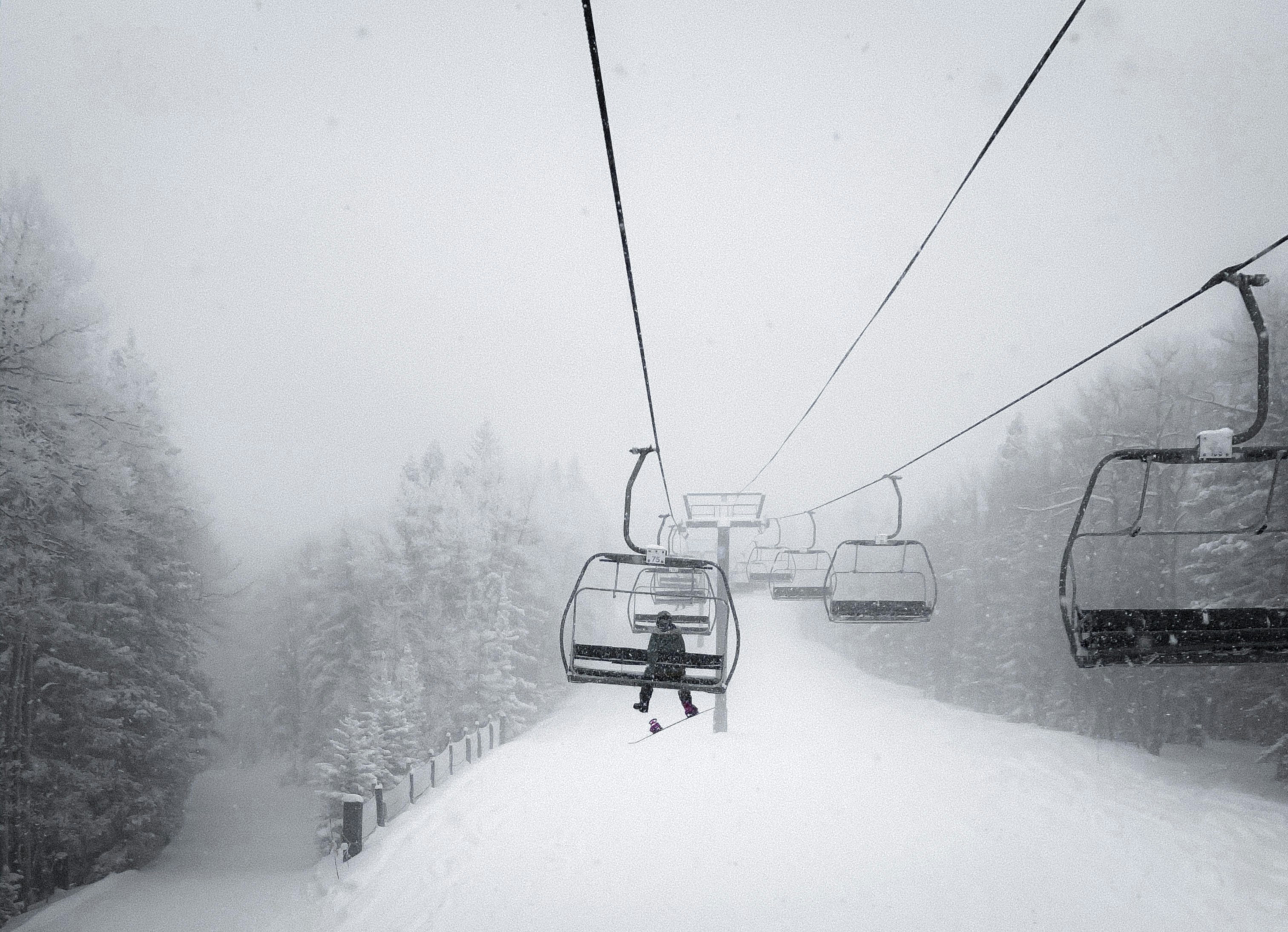
Ski passes are sometimes included in holiday packages, but in most cases they are offered as an optional add-on rather than a standard inclusion. Whether a lift pass is included depends on the type of package, the provider, and how the trip is structured. Many ski holidays include accommodation and transfers, while lift passes, equipment hire, and lessons are added separately.
Understanding how ski packages are built is essential before booking. Ski passes can represent a significant portion of the total cost, so assuming they are included can lead to unexpected expenses. Some providers offer fully bundled packages that include everything, while others prioritise flexibility and allow travellers to customise their experience.
Choosing the right option depends on your priorities. Travellers who want convenience often prefer all-inclusive packages, while those who want control over cost and flexibility usually choose packages where ski passes are added separately.
Ski passes are not included in most standard ski holiday packages because providers prioritise flexibility and pricing control.
Standard ski holiday packages typically include accommodation, transfers, and sometimes flights or meals, while ski passes are treated as optional extras. This structure allows travellers to choose exactly how they want to build their trip without paying for services they may not fully use.
Not every traveller skis every day, and some may only ski part of their holiday. Including a full ski pass by default would increase the overall cost unnecessarily. Providers also work across multiple resorts with different lift systems and pricing structures, making standardisation difficult.
By separating ski passes, providers can offer more transparent pricing and allow travellers to customise their trip. This approach is now the most common in modern ski booking platforms and reflects a shift toward more flexible travel planning.
Flexibility is the main reason ski passes are not included by default. Travellers have different skiing habits, preferences, and budgets, which makes fixed packages less practical.
Some travellers ski every day, while others prefer a mix of skiing and relaxation. Families often include non-skiers, and groups may have different ability levels. A fixed ski pass would not suit all these scenarios.
Allowing travellers to add ski passes separately ensures that each person only pays for what they need. This improves overall satisfaction and avoids unnecessary costs. From a provider perspective, flexibility also reduces complexity and allows more dynamic pricing.
Although ski passes are often optional, some packages include lift passes as part of a bundled offering designed for simplicity.
All-inclusive ski packages include accommodation, transfers, ski passes, and sometimes equipment hire and lessons. These packages are designed to minimise planning and provide a smooth experience from start to finish.
Travellers do not need to organise multiple components separately, which reduces the risk of mistakes or missed bookings. This is especially helpful for beginners who may not be familiar with how ski resorts operate.
Bundled packages also provide a clear total cost upfront, making it easier to budget. However, they may include services that some travellers do not fully use, which can reduce overall value depending on the situation.
Ski passes are more commonly included in group or tour-based holidays where the itinerary is structured and shared among participants.
These trips often include guided skiing, lessons, or planned daily activities, which require lift access for all participants. Including ski passes simplifies coordination and ensures everyone has the same access.
Group packages are popular among solo travellers and organised groups because they remove decision-making and create a more predictable experience. For travellers who prefer simplicity and structure, these packages can be a strong option.
The way a ski holiday package is structured directly affects whether ski passes are included or optional.
Dynamic ski packages allow travellers to build their own trip by selecting accommodation, flights, transfers, and extras such as ski passes. In this model, ski passes are usually optional.
This approach provides maximum flexibility and allows travellers to control their budget and itinerary. They can choose how many days they want to ski and which ski area they want access to.
Dynamic packages are widely used by modern booking platforms and are especially popular with experienced travellers. They reflect the broader trend toward personalised travel experiences.
Fixed ski packages include a set combination of services, which may include ski passes. These packages are less flexible but easier to book.
Travellers select from predefined options rather than building their own itinerary, which reduces complexity and decision-making. Fixed packages are often used by traditional tour operators.
These packages may include additional services such as catering or guided activities. For travellers who prefer convenience over flexibility, fixed packages can be a practical choice.
Ski pass pricing is one of the main reasons why lift passes are not always included in ski holiday packages.
Ski pass prices vary depending on the size of the ski area, the number of lifts, and the level of access included. Larger ski areas with extensive terrain are typically more expensive.
Travellers can often choose between local passes and full-area passes, which creates multiple pricing options within the same resort. This makes it difficult to include a standard ski pass in all packages.
Providers would need to either increase prices or limit flexibility if ski passes were always included. Offering them separately allows for more accurate pricing.
Ski pass prices change throughout the season, with peak periods such as holidays and weekends being more expensive. Off-peak periods offer lower prices.
This variation makes it difficult to create fixed packages with consistent pricing. Providers prefer to offer ski passes as optional add-ons so that pricing can reflect real-time conditions.
This approach keeps base package prices stable while allowing flexibility for different travel dates.
Even when ski passes are not included, adding them to your booking is usually easy and convenient.
Most providers allow travellers to add ski passes during the booking process. This ensures everything is arranged before arrival and reduces waiting time at the resort.
Pre-booking is especially useful during peak season when demand is high. It also helps avoid queues and ensures access to the desired ski area.
Some providers offer discounts for advance purchases, which can improve overall value. For travellers who want a smooth experience, pre-booking is usually the best option.
Ski passes can also be purchased directly at the resort, which allows travellers to make decisions based on weather and snow conditions.
This approach is useful for experienced skiers who prefer flexibility and want to adapt their plans. However, it may involve queues and higher prices.
Both options are valid, and the choice depends on whether you prioritise convenience or flexibility.
Whether ski passes are included can significantly affect the overall value of a ski holiday package.
In some cases, packages that include ski passes offer better overall value because providers negotiate discounted rates with resorts.
Bundled pricing can lower the total cost compared to buying each element separately. This is especially beneficial for longer stays or peak-season travel.
Travellers who plan to ski every day often benefit from these packages.
When ski passes are not included, travellers can control their spending more precisely. They can choose shorter passes or skip skiing on certain days.
This flexibility is particularly useful for mixed groups or travellers who want a more relaxed itinerary.
The best option depends on how intensively you plan to ski and how important flexibility is to you.
The ideal package structure depends on the type of traveller and their priorities.
Beginners often prefer packages that include ski passes because it simplifies planning and reduces uncertainty.
Everything is organised in advance, which allows them to focus on learning and enjoying the experience. This reduces stress and improves the overall experience.
Clear pricing also helps beginners understand the total cost of their trip.
Experienced skiers usually prefer to choose their own ski passes based on conditions, terrain, and personal preferences.
They may want access to specific areas or prefer shorter passes depending on weather and plans.
Flexible packages allow them to optimise their experience and avoid unnecessary costs.
Understanding what is included in a ski package is essential for avoiding unexpected expenses.
Travellers should always review whether ski passes are included before booking. This information is usually clearly stated in the package details.
Assuming that ski passes are included can lead to significant additional costs.
Checking inclusions helps ensure accurate budgeting and prevents misunderstandings.
Ski passes are not the only optional cost. Equipment hire, lessons, insurance, and local taxes can also add to the total price.
These costs can significantly increase the overall budget if not planned in advance.
Understanding all components of the trip helps travellers make informed decisions and avoid surprises.
Ski passes are not usually included in standard ski holiday packages because most providers prioritise flexibility and customisation. Instead of bundling lift passes into the base price, they are typically offered as an optional add-on during the booking process. This allows travellers to decide how many days they want to ski and which ski area they want access to. Some all-inclusive packages do include ski passes, but these are less common and often priced higher upfront. In most cases, travellers should expect to add a ski pass separately when planning their trip.
Buying a ski pass as part of a package can sometimes be cheaper because providers may have negotiated discounted rates with ski resorts. This is especially true for longer stays or peak-season bookings. However, this is not always guaranteed. If you do not plan to ski every day, purchasing a shorter pass separately may be more cost-effective. The best option depends on your skiing habits, the destination, and the type of package you choose. Comparing both options before booking is the most reliable way to find the best value.
Yes, most ski holiday providers allow travellers to add a ski pass after booking, although availability may depend on the resort and the time of year. Adding a ski pass in advance is usually recommended because it ensures availability and may offer better pricing. Waiting until arrival provides more flexibility, especially if you want to adjust plans based on conditions. However, this may involve queues or higher prices. Planning ahead generally leads to a smoother and more predictable experience.
A typical ski holiday package includes accommodation, transfers, and sometimes flights or meals, depending on the provider. Ski passes, equipment hire, and lessons are often optional extras rather than included services. The structure depends on whether the package is dynamic or fixed. Dynamic packages allow full customisation, while fixed packages include predefined services. Understanding these differences helps travellers choose the best option and avoid unexpected costs during their trip.
Ski passes are sometimes included in holiday packages, but in most cases they are offered as optional extras to provide greater flexibility. This approach allows travellers to customise their ski experience based on their budget, preferences, and skiing plans. While all-inclusive packages offer convenience and simplicity, flexible packages allow for better cost control and personalisation.
The best option depends on how you plan to use your ski pass. Travellers who ski every day may benefit from bundled deals, while those who prefer a mix of activities may save money by purchasing passes separately.
Understanding how ski packages are structured helps avoid unexpected costs and ensures a smoother booking experience.


.png)
.png)
.png)
.png)
