Dec 24, 2025

5 minutes
Exploring the Thrill of Après-Ski
What is après-ski and why does it matter? Explore how nightlife, social spaces and resort atmosphere enhance your ski holiday.

By
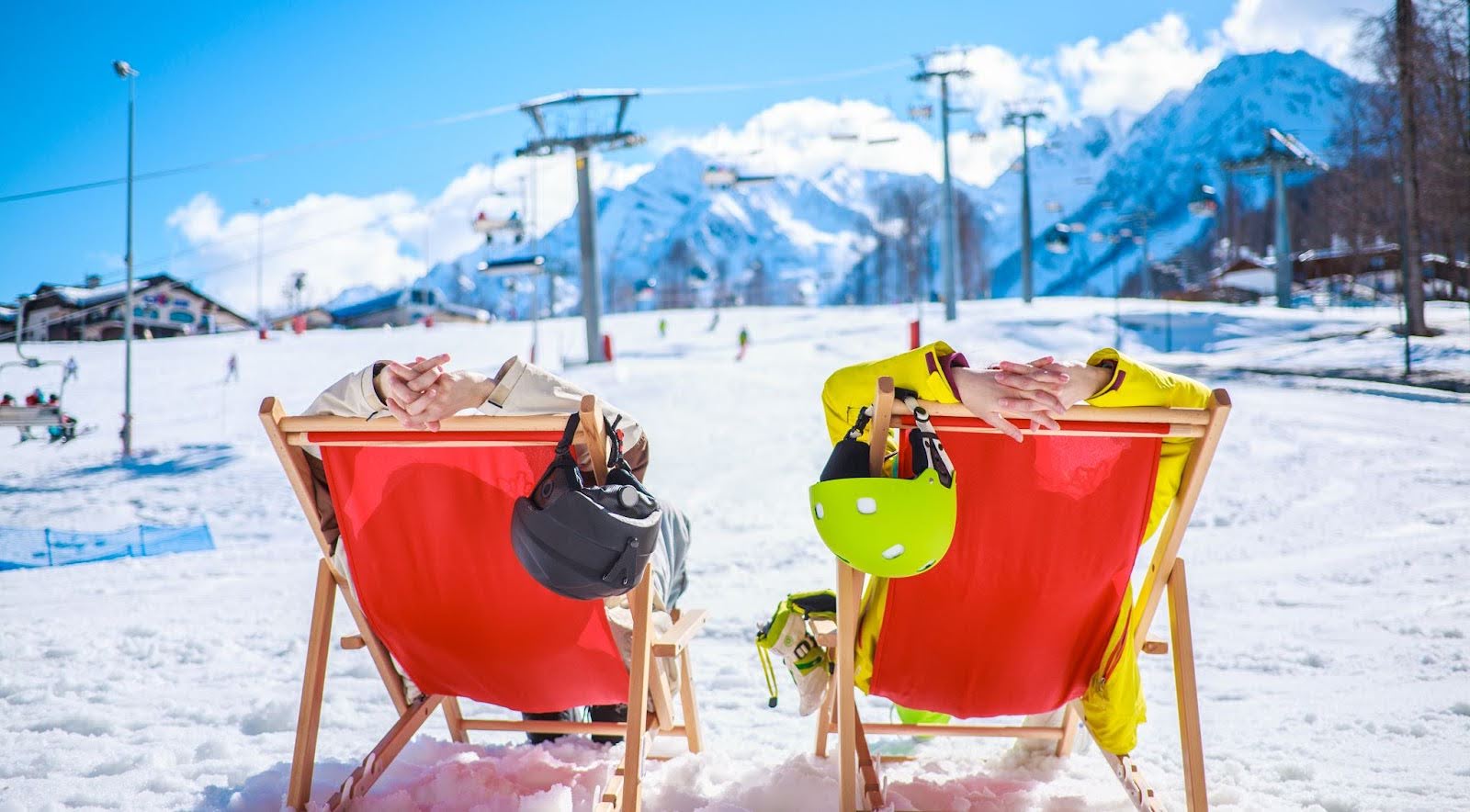
Après-ski is not just what happens after the last run. For many travellers, it’s the element that turns a good ski day into a memorable trip. Sunlit terraces at the bottom of the slopes, relaxed conversations by the fire, music drifting through alpine villages - this social side of skiing is often what people remember most.
The term après-ski literally means “after skiing,” but its meaning goes far beyond that. It’s the transition from activity to relaxation, from movement to shared moments. Skis come off, layers loosen, and the day slows down enough for experiences to settle in.
In traditional Alpine resorts, après-ski often begins while the sun is still up. Slopeside bars fill early, and the atmosphere gradually shifts into restaurants, lounges and small local venues as evening approaches. Importantly, après-ski isn’t only about parties. It also includes quiet drinks, live music, long dinners and simple time spent together.
Every ski resort has its own après-ski personality. In places like Tignes or Val Thorens, the scene can be energetic and social, with music starting shortly after the lifts close. Here, après-ski feels like a natural extension of the ski day rather than a separate activity.
Other resorts take a calmer approach. In more traditional Alpine towns, the focus is often on food, wine and atmosphere rather than volume. These destinations appeal to couples, mixed groups and travellers who enjoy social moments without a strong party focus.
Après-ski works best when it matches how you want your trip to feel. Travellers who enjoy lively evenings usually prefer compact resorts where bars and restaurants are close to the slopes. This keeps evenings spontaneous and easy, without complicated logistics.
For those who value quiet and comfort, different details matter more: cosy restaurants, wellness areas, and accommodation that allows for rest without noise or crowds. In both cases, balance is key. Après-ski should complement your skiing, not compete with it.
The social side of skiing plays an important role in recovery and overall enjoyment. Sharing stories from the day helps people unwind mentally, while warm indoor spaces and proper meals support physical recovery after hours on the slopes.
Après-ski also creates opportunities for connection. Casual conversations often turn into shared ski days, local tips or friendships that become part of the trip’s story.
The best après-ski experiences are rarely about doing everything every night. Mixing lively evenings with quieter ones helps maintain energy and keeps skiing enjoyable throughout the trip. Staying hydrated, eating well and knowing when to slow down all contribute to a better overall experience.
When approached with the right balance, après-ski enhances the rhythm of a ski holiday rather than overwhelming it.


.png)
.png)
.png)
.png)
