Feb 19, 2026

19 minutes
What Age Can Children Start Skiing?
What age can children start skiing? This in-depth guide explains realistic starting ages, readiness signs, ski school rules, safety, lesson types, and how to make a first trip enjoyable.

By
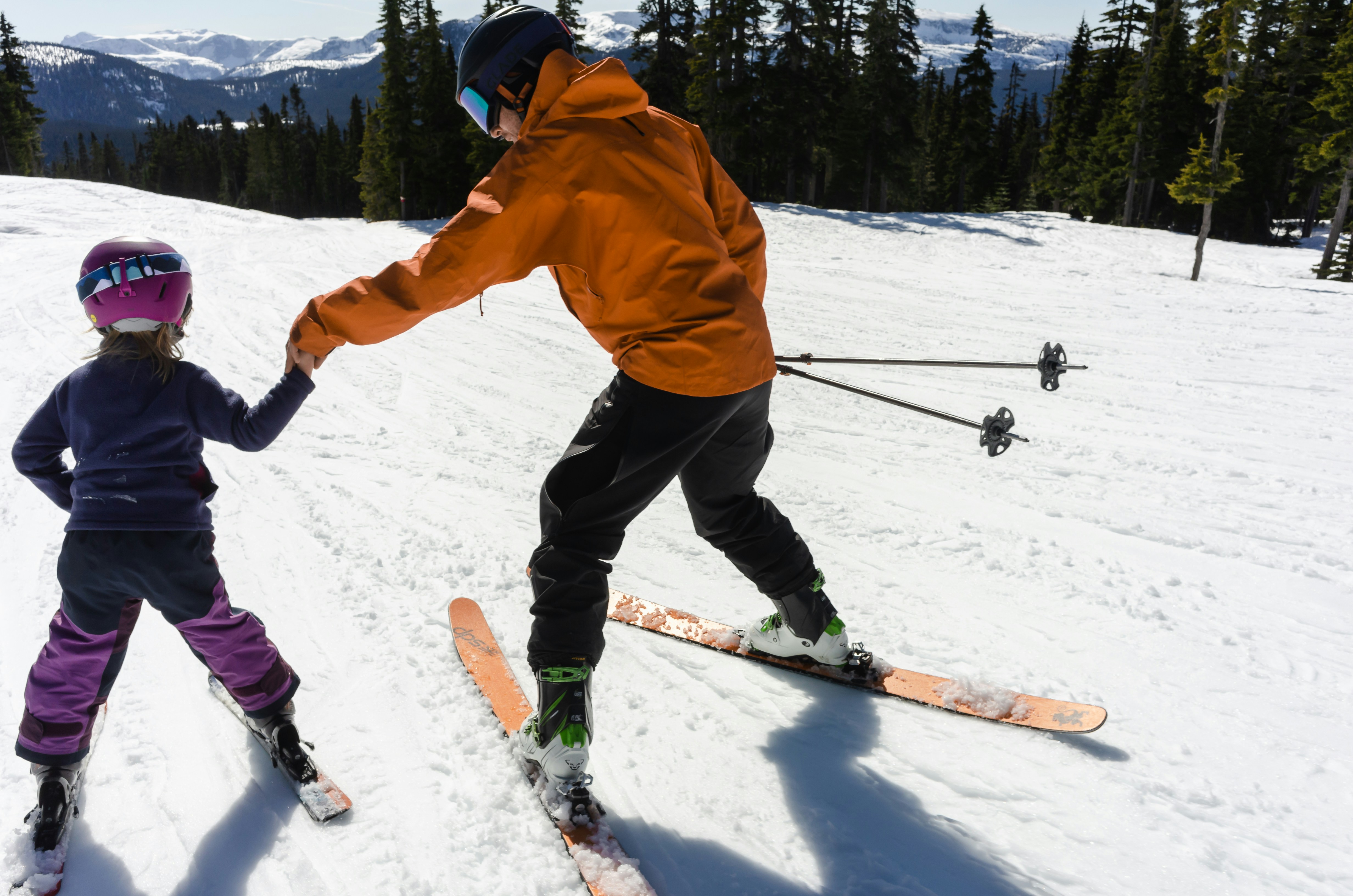
Most children can start skiing between ages 3 and 5, with age 4 being the most common “sweet spot” for structured lessons. That said, the best starting age isn’t a number—it’s a readiness decision based on coordination, attention span, emotional comfort, and how well your child handles cold, equipment, and separation from parents.
Some resorts accept children at 3, while others set 4 or even 5 for group classes. Toddlers can still have a great first mountain experience through snow play, short “taster” sessions, and gentle balance activities, even if they don’t ski independently yet.
This guide explains realistic age ranges, the readiness signs that matter most, the trade-offs of starting earlier vs later, and how to choose lessons and conditions so your child’s first trip feels fun—not stressful.
Most children who enjoy their first ski experience start between 3 and 5 years old because this range balances physical coordination with emotional readiness. At age 3, many kids can glide, step, and balance briefly, but attention span and cold tolerance can still limit progress. At age 4, children are more likely to follow simple instructions and stay engaged long enough to learn stopping and gentle turns. By age 5, many kids progress faster and need less “warm-up time” to feel confident.
The key point is that “start skiing” can mean different things. For a 3-year-old, success might be wearing boots happily, sliding a few metres, and enjoying snow. For a 5-year-old, success might be riding a conveyor lift and linking beginner turns. The best starting age is the one that matches your child’s development and keeps the experience positive.
Most ski schools begin structured children’s group lessons at age 3 or 4, but the definition of “lesson” varies. Age-3 programs often look like play-based coaching: lots of games, short runs, frequent breaks, and minimal technical instruction. Age-4 groups usually introduce clearer skill steps like stopping wedges, direction changes, and basic lift routines in a beginner area. Some resorts require children to be 4 for group classes because it simplifies safety, lift logistics, and supervision.
Even when a ski school accepts age 3, they may require:
These policies matter more than the marketing. Before booking, treat “minimum age” as a starting filter, then match lesson type to your child’s temperament. Group lessons work best when children can follow simple rules and stay in a small group without distress.
A child’s physical readiness predicts early success more than their exact age. Skiing requires basic balance, leg strength, and the ability to move in bulky boots while wearing a helmet and layers. A physically ready child doesn’t need athletic talent—they just need enough coordination to stay upright, step sideways, and recover from small slips without panic.
Useful readiness signs include:
If your child tires quickly or struggles with balance tasks, starting with snow play and short sessions often works better than forcing a full lesson schedule. The goal is not “perfect technique” in week one; it’s building comfort with sliding and speed. Physical readiness simply reduces friction in that learning process.
Emotional readiness often decides whether skiing becomes a family hobby or a one-time struggle. A child can be physically capable but still overwhelmed by cold air, strange equipment, crowded beginner zones, and separation from parents. For first trips, emotional comfort matters as much as skill.
Signs of emotional readiness include:
Children who are anxious about separation may resist ski school even if they love snow. In those cases, play-based “taster” sessions or parent-accompanied slopes can build trust first. Starting later is not a loss—confidence improves quickly between ages 4 and 6. The best first trip is the one where your child finishes the day smiling and willing to come back.
Attention span is the main reason many children struggle with structured lessons before age 4. Ski learning requires listening, repeating drills, and staying within a safe zone—skills that depend on focus. Very young children may be physically able to slide, but they often lose interest or become distracted at critical moments like lift loading, stopping near others, or following the instructor’s line.
Instructors usually adapt by using:
Still, if your child can’t concentrate for even short instruction windows, group lessons may feel like chaos. In that case, the most successful approach is shorter sessions (45–90 minutes), fewer “formal” expectations, and plenty of warm indoor breaks. Waiting a season can dramatically improve lesson effectiveness—often more than any extra practice would. Skiing is a long game; the first goal is cooperation and comfort.
Children under 3 can absolutely enjoy the mountains, but most will not “ski properly” in a way that resembles older kids. At this age, boots feel restrictive, balance is still developing, and cold discomfort escalates quickly. That doesn’t mean you should avoid the Alps—it means you should define success differently.
Great under-3 first experiences often include:
Some resorts offer nursery-based programs that introduce equipment in a playful way. These can build familiarity, but they rarely create meaningful independent skiing. If your goal is to start a lifelong habit, a positive “mountain day” at age 2 can be valuable—even without technical progress. You’re building association: snow = fun, not stress.
Starting at age 5 often leads to faster visible progress during the first week because children typically have better coordination, stronger legs, and more ability to understand instructions. Many 5-year-olds can follow sequences like “stop—turn—stop,” ride a conveyor lift confidently, and stay engaged through longer lesson blocks.
This is why parents sometimes feel relieved when they wait. A 5-year-old may:
The trade-off is not long-term skill—kids who start at 5 can become excellent skiers just as easily as those who start at 3. The trade-off is simply timing: starting later may compress the “awkward beginner phase” into fewer days. If your child is hesitant, age 5 is a very strong first-time window that often feels smoother for both child and parent.
Starting at age 3 does not automatically produce a stronger skier at age 12. The biggest predictor of future ability is consistency over multiple seasons, not the earliest possible start. A child who skis one week at age 3 and then doesn’t ski again until age 7 often progresses similarly to a child who starts at 6 with regular practice afterward.
Early starts help mainly when they are:
If early lessons create stress, the child may resist future trips—negating any “head start.” Long-term success usually comes from positive repetition: short sessions, manageable terrain, and steady skill building. Starting a little later with strong engagement often beats starting early with frustration. When parents ask “Is 6 too late?”, the truthful answer is no—especially if the child is excited, comfortable, and ready to practice.
Cold tolerance can shift the ideal starting age more than parents expect. Younger children lose heat faster, struggle with wet gloves, and become miserable in wind even when temperatures look moderate. A child who could “start at 4” in mild conditions might struggle at 4 in a windy, high-altitude week.
To make early starts more successful:
Weather doesn’t just affect comfort—it affects learning. A cold, unhappy child won’t practice turning drills. A warm, playful day can unlock progress even at younger ages. When planning a first ski trip for ages 3–4, prioritise conditions that make learning emotionally easy, not just “snow reliability.” Comfort is a performance factor for kids.
Equipment fit is one of the most underestimated success factors for children. Poorly fitted boots can cause pain, restrict blood flow, and make balancing nearly impossible. Skis that are too long or too stiff increase falls and reduce control. A child may seem “not ready” when the real problem is gear.
For young beginners, the best setup usually means:
Rental shops vary in quality, so it’s worth using family-focused fitters. If your child complains constantly, check boots first—not motivation. Comfortable gear dramatically improves stamina and mood, which directly improves learning outcomes. When first trips go badly, equipment is often a hidden culprit.
Parents can make a first ski trip easier, but over-involvement often slows learning. Children frequently respond better to instructors because instructors create clear rules and predictable routines. Parents, understandably, may become anxious, give mixed signals, or push too quickly.
The best parent role usually includes:
If your child struggles with separation, start with a short taster lesson and build trust gradually rather than forcing full-day classes. A supportive, consistent parent presence outside lesson time helps the child associate skiing with safety and comfort. The goal is a long-term habit, not a perfect first day. For most families, “hands-off during lessons, high support between sessions” is the winning formula.
Private lessons can be a better fit for very young children (especially ages 3–4) who have short attention spans, higher anxiety, or difficulty integrating into groups. One-on-one coaching allows the instructor to adapt pacing instantly and use the child’s interests to keep engagement high.
Private lessons often help with:
The trade-off is cost. Group lessons provide social energy and structure at a lower price, but they can overwhelm some children. A practical compromise is booking a short private session (60–90 minutes) early in the trip, then moving into group lessons if the child seems ready. If your aim is a positive first experience, private lessons can be a “comfort multiplier” that makes early starting ages work smoothly.
Resorts and ski schools set minimum ages for safety reasons, not arbitrary policies. Chairlifts, crowded slopes, and the need for quick responses make very young participation difficult. Many beginner areas use conveyor lifts specifically because they are safer and easier for kids.
Common constraints include:
Even if your child is capable, the resort’s system may not be designed for 2-year-olds on skis. That’s why “start skiing” should be matched to resort facilities: great kids’ zones, sheltered slopes, and short lift lines make earlier ages more viable. Safety policy is part of readiness—because it shapes what your child will actually be allowed to do.
It is not too late for children to start skiing at 6, 8, or even 10. Older children often progress quickly because they can listen, apply feedback, and manage frustration better than toddlers. Many late starters move from beginner zone to confident blue runs within a single week with consistent lessons.
Older beginners often have advantages:
The trade-off is mostly social: older kids may compare themselves to friends who started younger. Good instruction and appropriate pacing solves this quickly. If you missed early years, you didn’t miss the opportunity. Starting when your child is motivated and ready is far more powerful than starting early out of pressure.
Most children can start skiing around age 4, with many succeeding at 3 and many thriving even more at 5. The best age depends on readiness factors: coordination, attention span, emotional comfort, cold tolerance, and whether the resort’s facilities support young beginners.
If you want the most reliable “first-time win,” age 4–5 with short, structured lessons and warm conditions is usually the safest choice. If your child is younger, focus on fun, familiarity, and tiny successes rather than technical milestones.
A positive first trip matters more than an early start. When skiing begins with comfort and joy, the skill progression follows naturally.


.png)
.png)
.png)
.png)
