Apr 7, 2026

11 minutes
How Tiring Is a Ski Holiday?
How tiring is a ski holiday? This guide explains the physical and mental demands of skiing, why ski holidays are more exhausting than most other trips, and how to manage fatigue across the week to get the most from every day.

By
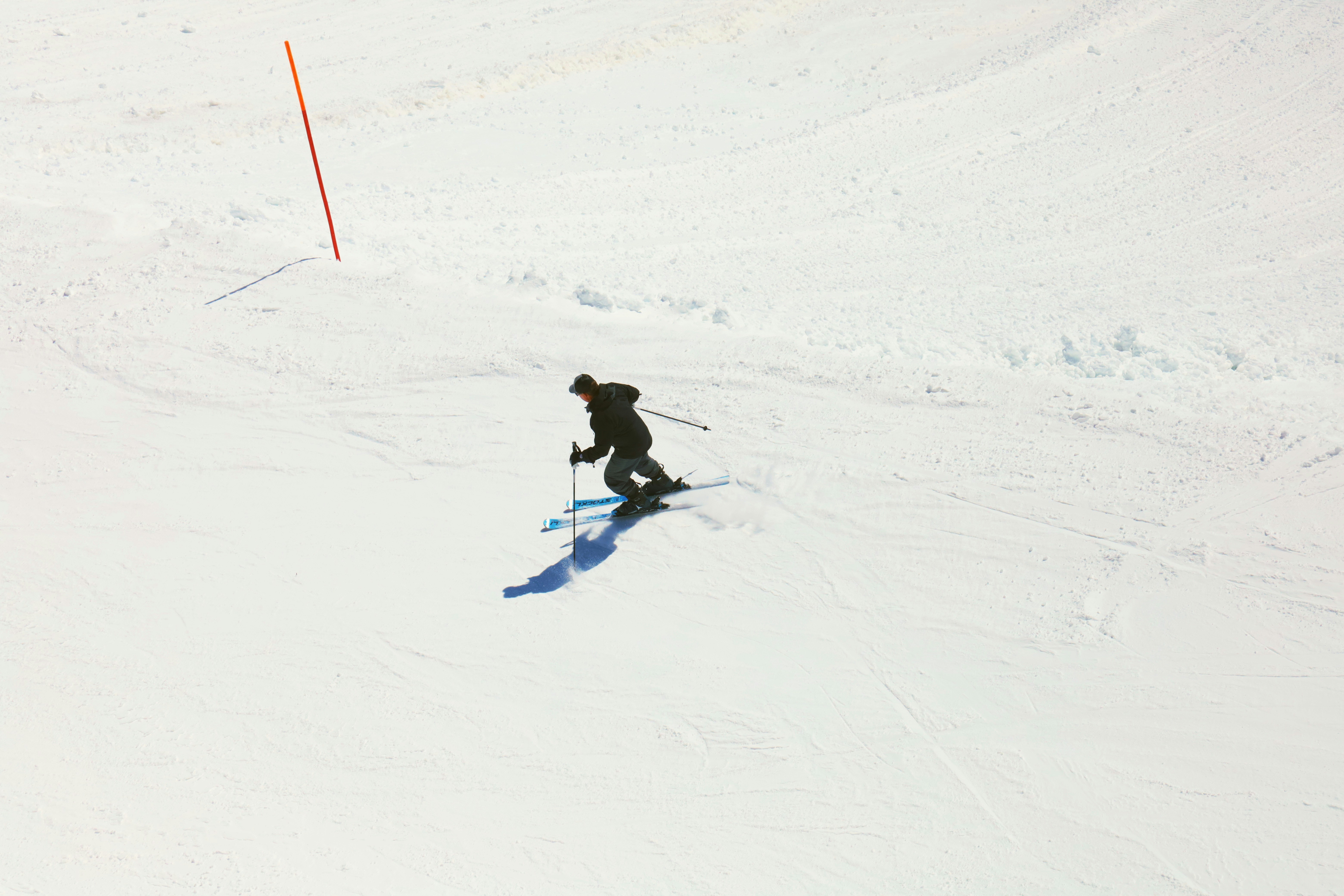
A ski holiday is significantly more physically tiring than most other holiday formats. The combination of sustained muscle effort, cold air, altitude, and the mental concentration required for skiing creates a level of daily fatigue that surprises most first-time travelers. By the end of each ski day, most travelers feel genuinely tired in a way that is different from everyday tiredness. This tiredness is normal, expected, and manageable. Understanding why skiing is tiring and how fatigue accumulates across the week helps travelers plan their time, rest effectively, and get the most from every day on the mountain.
Skiing requires sustained physical effort across 5–6 hours of active movement per day, engaging muscle groups — particularly the quadriceps, hamstrings, calves, and core — in patterns of sustained contraction that are not replicated by most daily activities. The physical demand is not the same as running or cycling, where the effort is more rhythmic and the movement patterns are familiar. Skiing requires continuous balance adjustment, directional control, and absorption of uneven terrain, which engages muscles in an unfamiliar and more demanding way.
The cold temperature of the ski environment adds a physiological load that warmer activities do not. Maintaining core body temperature in conditions of -5°C to -15°C requires additional metabolic effort even when the body is well-insulated by appropriate clothing. Breathing cold dry mountain air also increases fluid loss through respiration, which contributes to fatigue if hydration is not actively maintained throughout the day.
Most beach or city holidays involve periods of activity interspersed with rest. Skiing involves continuous physical engagement from lift opening to lift closing with only the duration of lift rides and a lunch break as recovery periods. A ski day of 5–6 hours of active skiing is more physically demanding than most traveler's daily activity level, which means the body is consistently working above its normal output throughout the holiday.
The altitude of ski resorts adds a specific physiological challenge that flatland holidaymakers do not experience. Most European ski resorts are situated at 1,000–1,800m, with skiing extending to 2,500–3,800m at the highest lift points. At these altitudes, the air contains less oxygen per breath than at sea level, which means the body must work harder to maintain normal oxygen delivery to muscles during exercise.
Altitude effects are most pronounced in the first 24–48 hours after arrival at the resort, when the body has not yet acclimatized to the reduced oxygen availability. Common symptoms during this period include increased fatigue, mild headache, reduced appetite, and slightly disturbed sleep. These symptoms are temporary and typically resolve within 48 hours as the body produces additional red blood cells to compensate for the reduced oxygen density.
The altitude effect is more pronounced for travelers arriving at high-altitude resorts — above 1,800m — than for those at lower-altitude destinations. Travelers who go directly from sea-level environments to high-altitude skiing without a transition period are most affected. Staying hydrated and avoiding excessive alcohol consumption on the first evening helps the body acclimatize more quickly.
Experienced ski travelers who visit the same resort or altitude range annually adapt faster than first-time visitors because their bodies retain some altitude adaptation memory from previous seasons. First-time visitors to high-altitude resorts should plan for reduced performance on the first one or two days and not judge their skiing ability based on the altitude-affected experience of the initial period.
The first two days of a ski holiday are consistently the most physically demanding, regardless of ability level. This pattern reflects the body's adaptation process to the specific physical demands of skiing, which differ from any other activity most travelers engage in regularly.
For beginners, the first two days involve learning entirely new movement patterns while managing unfamiliar equipment in an unfamiliar environment. The mental concentration required for technique development, combined with the physical effort of frequent falls and recoveries, produces a level of comprehensive tiredness — physical and cognitive — that experienced skiers do not experience but that first-time travelers describe as the most exhausting days of any holiday they have taken.
For experienced skiers returning after a season off, the first two days produce muscle soreness in the quadriceps, adductors, and core as muscles that have not been used in this specific way for months are reactivated. The soreness peaks on the morning of day two or three and reduces progressively as the body readapts. Experienced skiers who maintain fitness during the off-season feel this adaptation period less severely than those who have been inactive between seasons.
Planning for reduced performance and additional rest on the first two days produces better outcomes than attempting to maximize skiing time immediately. A traveler who acknowledges that the first two days are the hardest and plans accordingly — with earlier evenings, more breaks during the ski day, and realistic mileage expectations — arrives at days three and four with better energy than one who pushes hard through the initial adaptation period.
Ski holiday fatigue does not remain constant across the week — it accumulates progressively, with the combined effect of multiple demanding days creating an underlying tiredness that builds from day one to the end of the holiday. Understanding this accumulation pattern helps travelers manage their energy more effectively across the week.
Days one and two are the most acutely tiring but start from a baseline of fresh energy. Days three and four typically feel better as the body has adapted and baseline energy has not yet been significantly depleted. Days five and six feel differently tiring — the individual days are physically manageable but the underlying accumulated fatigue from the preceding days makes the effort feel greater than the same skiing intensity would on day two.
Most ski travelers report feeling most tired on days five or six of the holiday, not on the first two days. This delayed peak of accumulated fatigue is a consistent pattern that is worth anticipating. Planning the most ambitious skiing — longest routes, most demanding terrain, or most time on the mountain — for days three and four rather than the final days maximizes performance at the point when the body is best adapted and least depleted.
The final evening of a ski holiday — typically Friday for Saturday departures — is often the most socially active of the week, with the celebration of the completed holiday extending later into the evening than earlier nights. This final evening social activity, combined with accumulated weekly fatigue, means that Saturday departure days often involve genuine exhaustion that can persist for a day or two after returning home.
Skiing requires continuous conscious attention in a way that many other physical activities do not. The need to read terrain, anticipate the movements of other skiers, make rapid directional decisions, and maintain balance on unpredictable surfaces creates a cognitive load that adds mental fatigue to the physical tiredness of the ski day.
This mental demand is most pronounced for beginners, who are consciously processing movement instructions from their lessons while simultaneously managing balance, speed, and direction. The combination of learning a new physical skill and applying it in a demanding environment in real time is one of the most cognitively intensive holiday activities available. It explains why beginners often feel completely exhausted by early afternoon in the first two days despite having skied for only a few hours.
Experienced skiers experience lower cognitive load from the skiing itself, as the fundamental movement patterns have become automatic. However, experienced skiers often create their own cognitive demands by attempting more technically challenging terrain, navigating unfamiliar resort sectors, or focusing on technique improvement under instructor guidance. These self-imposed mental challenges are part of what makes skiing engaging for experienced participants but contribute to the overall fatigue of the ski day.
The mental component of skiing fatigue also explains why rest from screens, noise, and decision-making during the lunch break and evening recovery period is more restorative than purely physical rest. Allowing the mind to rest alongside the body — through quiet meals, reading, or simple conversation rather than stimulating activities — supports the cognitive recovery needed for full engagement the following day.
One of the most commonly reported positive aspects of ski holiday fatigue is the quality of sleep that physical exertion at altitude produces. Most ski travelers report sleeping more deeply and waking more rested during a ski holiday than in their normal home environment, despite the demanding physical days.
The combination of outdoor physical exercise, clean mountain air, reduced screen exposure in the evenings, and the natural tiredness produced by a full day of skiing creates conditions that are physiologically well-suited to deep, restorative sleep. The body's recovery processes — muscle repair, glycogen restoration, and neural consolidation of new motor patterns — are most effective during the deep sleep stages that physical exertion promotes.
Altitude has a mild disrupting effect on sleep quality in the first night or two at the resort, particularly for travelers at altitudes above 2,000m. This disruption typically manifests as lighter sleep and more frequent waking. Most travelers find that sleep quality normalizes by the second or third night as acclimatization progresses.
The improved sleep quality during ski holidays is one of the reasons that many travelers return from skiing feeling genuinely physically refreshed despite the demanding physical week. The tiredness experienced during the holiday is productive — the body is working, adapting, and recovering effectively — rather than the chronic, unrestorative tiredness associated with sedentary stress.
Active energy management during a ski holiday — making deliberate decisions about rest periods, hydration, nutrition, and evening activity based on current energy levels — consistently produces a better overall experience than skiing as hard as possible every day regardless of fatigue level.
Hydration is the most frequently neglected energy management factor on ski holidays. Cold dry air at altitude increases fluid loss through respiration without the obvious sweating cue that warm-weather exercise provides. Many skiers arrive at lunch noticeably dehydrated without having felt thirsty during the morning. Drinking water consistently throughout the ski day — at least 1.5–2 liters including lunch — maintains performance and reduces afternoon fatigue.
Nutrition during the ski day affects afternoon energy significantly. A substantial, balanced lunch — including protein and complex carbohydrates — maintains blood sugar and energy levels through the afternoon session better than a light snack lunch or a high-sugar meal that produces a mid-afternoon energy drop. Mountain huts and slope-side restaurants that offer traditional alpine dishes including rösti, pasta, and soup are well-suited to the nutritional requirements of an active ski day.
Evening alcohol consumption is the energy management factor that most significantly disrupts the following day's performance for many ski travelers. Alpine resort culture includes generous après-ski and evening bar activity that is part of the social experience of skiing. However, alcohol at altitude has a stronger dehydrating effect and more pronounced sleep disruption impact than at sea level. Moderating evening alcohol intake — particularly in the first half of the week when adaptation is still in progress — produces noticeably better performance on the mountain the following morning.
Travelers who accompany skiing parties to ski resorts but do not ski themselves experience a different and generally lower level of physical fatigue than skiing participants. Walking at altitude, exploring resort villages, and participating in non-ski activities such as snowshoeing, ice skating, or spa visits creates moderate physical activity rather than the sustained high-intensity effort of skiing.
However, non-skiers at altitude still experience the acclimatization demands of the mountain environment. The reduced oxygen density affects non-skiers as well as skiers, producing mild fatigue and sleep disruption in the initial days at the resort. Non-skiers who engage in vigorous physical activity — long snowshoe routes or mountain walks — can experience significant fatigue from altitude-modified exertion that feels more demanding than the same activity at sea level.
Non-skiing travelers at ski resorts often find that the social schedule of the group — early mornings, late evenings, and full days of activity — creates a holiday pace that is more demanding than their usual activity level. Participating in the full social program of a ski holiday without the physical release of skiing can leave non-skiers feeling the social fatigue of a busy holiday without the physical tiredness that produces the deep restorative sleep their skiing companions experience.
The fatigue experienced during and after a ski holiday is physically productive tiredness rather than the depleting exhaustion associated with overwork or illness. The distinction matters because productive tiredness — resulting from physical exercise, adaptation, and recovery — resolves quickly and leaves the body stronger than before.
Most ski travelers report that the tiredness felt on the final day of the holiday and on the journey home resolves within one to two days of returning. The muscle soreness that developed during the first days of the holiday has typically resolved by the end of the week. The accumulated tiredness of the final days resolves with a night or two of normal sleep in the home environment.
The rapid recovery from ski holiday fatigue is itself evidence of the productive nature of the physical effort. A holiday that involved genuinely damaging physical overexertion would produce longer recovery periods. The typical one-to-two day recovery reflects a body that worked hard, adapted well, and is returning to normal in a healthy pattern.
Planning light commitments for the first weekend after returning from a ski holiday — rather than scheduling demanding social or professional obligations immediately on return — makes the transition back to normal routine more comfortable and allows the remaining fatigue to resolve fully. Most travelers find they feel better than normal by the Monday or Tuesday after return, with the physical conditioning of the holiday week producing a baseline energy improvement that persists for several weeks.
The physical tiredness of a ski holiday is not a side effect to be minimized — it is an inherent part of an experience that is physically demanding by design. Skiing as a sport and ski holidays as a travel format are built around physical activity in a challenging mountain environment. The tiredness that results from a full week of skiing is evidence of genuine engagement with that environment rather than a problem to be solved.
Travelers who approach ski holiday fatigue with realistic expectations — knowing that the first two days are the hardest, that tiredness accumulates across the week, and that recovery takes one to two days after return — consistently report more positive overall experiences than those who are surprised by the demands. The adjustment of expectations before the holiday begins is the most effective preparation for the physical realities of ski travel.
The deep sleep, the mountain air, the physical achievement, and the combination of fatigue and satisfaction that characterizes the end of each ski day are among the most commonly cited positive aspects of ski holidays by experienced travelers. The tiredness is part of what makes the recovery feel good, what makes the final evening feel celebratory, and what produces the strong desire to return that most ski travelers feel when they leave the resort.


.png)
.png)
.png)
.png)
