Mar 29, 2026

10 minutes
Do Ski Packages Save Money Compared to DIY?
Do ski packages save money compared to DIY booking? This guide compares real costs of package versus independent ski holiday booking across different scenarios, with a clear decision framework for every traveler type.

By
Sara Lee
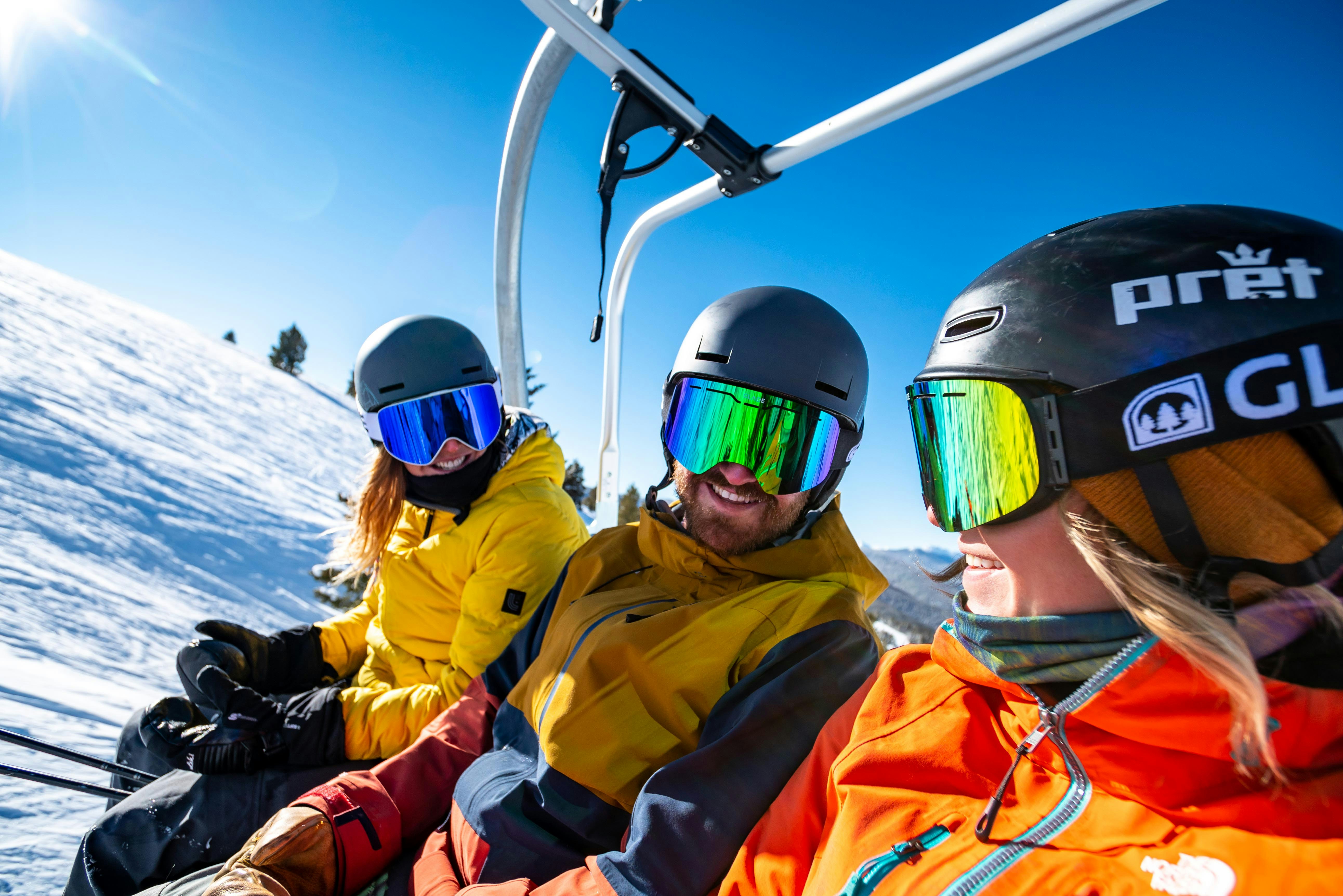
Ski packages save money compared to DIY booking in most peak season scenarios and for travelers who need transfers included. During off-peak weeks, the price difference is smaller and DIY booking occasionally wins by £50–£150 per person. The comparison depends on travel dates, group size, destination, and which components are included on each side of the calculation. For most travelers, packages are cheaper or equivalent in total cost once transfers are factored in — and they save significant planning time regardless of the price outcome.
The most common mistake when comparing ski packages against DIY booking is comparing different sets of components. A package advertised at £800 per person that includes flights and transfers is not directly comparable to a DIY combination of £600 flights plus £120 accommodation per night without transfers. An accurate comparison requires calculating the full cost of identical components on both sides.
For a like-for-like comparison, identify everything the package includes — flights, accommodation, and transfers in most standard cases — and calculate the current independent price of each component for the same dates, same resort, and same accommodation quality. Add both totals and compare.
This calculation frequently reveals that a package appearing more expensive at first glance is actually comparable or cheaper once transfers are added to the DIY total. A package at £900 per person including flights, hotel, and return transfers compares against DIY flights at £200, hotel at £500, and return transfers at £160 — a DIY total of £860. The difference is £40 per person in favor of DIY, but the package includes the coordination of all three components and a single point of contact for any problems.
Applying this method consistently across all comparisons prevents the systematic undervaluation of packages that results from comparing package prices against incomplete DIY calculations.
The price advantage of packages over DIY booking is most consistent and largest during peak ski season weeks. Christmas, New Year, and February half-term are periods when airlines, accommodation providers, and transfer companies all raise prices significantly in response to concentrated demand. Package operators who secured inventory early in the season at negotiated rates are insulated from these price spikes in a way that individual last-minute component purchasers are not.
A return flight from London to Geneva during February half-term booked independently costs £200–£380 per person. The same flight included within a package booked six months earlier often represents a cost of £120–£180 per person within the total package price, reflecting the operator's early-season charter or block allocation rate.
Accommodation during February half-term follows the same pattern. A mid-range hotel room costing £220 per person per night when booked independently during half-term may cost £160–£180 per person per night within a package secured in April. Over seven nights, this accommodation saving amounts to £280–£420 per person.
Combined flight and accommodation savings for a couple booking February half-term through a package rather than independently can reach £400–£800 for the two of them — a meaningful amount that justifies advance commitment to a package even for travelers who might otherwise prefer the flexibility of independent booking.
The price comparison between packages and DIY booking shifts during off-peak periods, particularly January, when the demand-driven premium that package operators absorb during peak weeks is absent. Budget airlines offer genuinely low fares on ski routes in January, and accommodation availability is good enough that self-catered apartments can be booked directly at competitive prices.
A return flight from a UK regional airport to Innsbruck or Salzburg in January booked 8–10 weeks ahead on a budget airline costs £70–£130 per person. A self-catered apartment for two in a mid-range Austrian resort costs £60–£90 per person per night. For a week, the DIY total for two adults is approximately £350–£500 per person — potentially £100–£200 less than an equivalent January package from a specialist operator.
This saving is real but requires active comparison effort. Finding the lowest budget airline fare, booking the apartment directly with the property, and arranging a separate transfer each adds planning time and coordination to the booking process. The time investment of 3–5 hours to produce this saving of £100–£200 per person may or may not feel worthwhile depending on the traveler's preferences.
The DIY saving in January also depends on self-catered rather than hotel accommodation. Self-catered apartments are more competitively priced against packages than hotels. DIY hotel bookings in January are typically comparable to or more expensive than package hotel prices once transfer costs are added.
Airport-to-resort transfers are the single cost that most consistently tips a close comparison between packages and DIY booking in favor of packages. Travelers who calculate DIY costs using only flights and accommodation without adding transfers frequently conclude that DIY is cheaper — and then discover the true comparison when they add transfer costs.
A shared shuttle transfer from Geneva airport to a mid-range French resort costs £50–£80 per person each way. Return transfers for two adults add £200–£320 to the DIY total. For a family of four, return transfers add £400–£640. These figures are for shared shuttles — private transfers cost more.
A package that includes flights, accommodation, and return transfers at £900 per person compares against DIY flights at £180, hotel at £550, and return transfers at £130 — a DIY total of £860 per person. The package is £40 more expensive per person but includes coordinated logistics and single-provider accountability. For many travelers, this £40 premium is worth paying. For others, the saving justifies the additional coordination effort.
For resorts with high transfer costs — French Alps destinations 2–3 hours from Geneva, where shared transfers reach £80–£100 per person each way — the transfer component pushes the comparison more decisively in favor of packages. For Austrian resorts with short, cheap transfers of £30–£50 per person each way, the comparison is closer and DIY has a better chance of winning.
For groups of six or more travelers booking together, specialist operator packages frequently produce lower per-person costs than equivalent independent bookings. Tour operators with dedicated group booking services negotiate rates across accommodation, flights, and transfers that are not available to individual travelers searching standard platforms.
A group of eight adults booking a catered chalet through a specialist group operator can expect per-person package costs 10–20% lower than the equivalent package for two people. On a standard package at £950 per person, the group rate might be £760–£855 per person — a saving of £760–£1,520 for the group of eight.
Catered chalet bookings for exclusive group use represent the format where package pricing most consistently outperforms DIY group booking. A catered chalet for eight people at £9,000 for the week — £1,125 per person — includes daily breakfast and dinner. Booking eight individual hotel rooms plus restaurant dinners for seven nights produces a comparable or higher per-person cost in most mid-range resorts.
DIY group booking can occasionally match or beat package prices if the group is willing to book a self-catered apartment or house directly with the property and manage their own catering. However, this approach requires significantly more coordination across the group and does not include the management support that operator bookings provide.
All-inclusive ski packages that bundle flights, accommodation, transfers, ski passes, and equipment rental into a single price appear expensive relative to standard packages but are often comparable in total cost to a complete DIY booking once all components are added.
An all-inclusive package for two adults at a mid-range resort in a moderate week costs £2,600–£3,200 for the pair. The equivalent DIY booking — flights at £280, accommodation at £1,000, transfers at £240, ski passes at £560, equipment rental at £280 — totals £2,360–£2,840. The difference of £240–£360 for the pair represents the premium for the convenience and coordination of the all-inclusive format.
For first-time ski travelers who cannot accurately estimate ski pass prices, transfer costs, or equipment rental rates before booking, the all-inclusive format eliminates budget uncertainty entirely. Knowing the total holiday cost before traveling — rather than discovering it through a series of additional purchases on arrival — has real practical value that partially offsets the price premium.
All-inclusive packages are also easier to compare against each other than standard packages plus estimated extras. Two all-inclusive packages for the same dates and resort can be compared on a single total price with identical inclusions. Two standard packages require separate estimation of additional costs before a fair comparison is possible.
The scenarios where DIY booking most consistently and significantly beats package pricing share a common characteristic: the traveler does not need ski school and owns their own equipment, which eliminates the two largest variable cost categories from both sides of the comparison.
An experienced skier who owns skis, boots, and a helmet, does not need lessons, and travels in January removes approximately £400–£530 per person from the total cost calculation — the combined cost of a five-day lesson programme and full equipment rental. This reduction applies equally to both package and DIY totals, but it changes the relative importance of the components where packages are most competitive.
When ski school and equipment rental are removed from the calculation, the comparison between packages and DIY narrows to flights, accommodation, and transfers. For off-peak January travel, budget airlines and directly booked self-catered apartments can produce a DIY total that genuinely undercuts comparable packages by £100–£200 per person.
For this specific traveler profile — experienced, equipment-owning, lesson-free, flexible-date January traveler — DIY booking is the most cost-effective approach. The package convenience premium is not justified by a meaningful cost saving, and the flexibility to choose exact flights and accommodation is more valuable than the coordination benefit of a package.
A complete comparison between packages and DIY booking should account for the time required to research, compare, and manage independent bookings. This time cost is real and has value even if it does not appear in a financial calculation.
Booking a complete DIY ski holiday — researching flights, comparing accommodations, arranging transfers, purchasing ski passes, booking equipment rental, and obtaining insurance — typically takes 5–10 hours across multiple sessions. This compares with 1–2 hours to search, compare, and book a package through a specialist ski platform.
The time difference of 3–8 hours has different values for different travelers. For a professional earning £40 per hour who values their time accordingly, a 5-hour DIY booking process represents a time cost of £200 — which changes the comparison significantly when the price difference between package and DIY is £100–£150 per person. For a traveler who enjoys the research process and finds comparison shopping entertaining rather than burdensome, the time cost is negligible.
Including a realistic time cost in the comparison shifts the break-even point at which DIY booking becomes genuinely more economical. For travelers who do not enjoy the research process, packages deliver cost-equivalent or better results for a wide range of travel scenarios without the effort of independent coordination.
Travelers who plan to save money through DIY ski holiday booking frequently discover that the actual saving is smaller than they initially anticipated. The systematic underestimation of transfer costs, the difficulty of finding budget flights at the right times, and the time required to complete the research process all reduce the realized saving below the theoretical maximum.
The most common experience for travelers attempting DIY ski holiday booking is discovering that a carefully assembled independent combination — flights from a convenient airport at good times, a well-located mid-range apartment, and return shared shuttle transfers — costs within £50–£150 per person of an equivalent package from a reputable specialist platform. This difference may or may not justify the additional planning effort depending on the traveler's preferences.
The largest realistic savings from DIY booking — £150–£300 per person — are available to travelers who are willing to accept less convenient flight times, use airports further from home, choose self-catered accommodation over hotels, and travel in January rather than peak weeks. Travelers who want all of these components at the most convenient specifications will rarely find a DIY combination significantly cheaper than a comparable package.
Approaching the comparison with realistic expectations — acknowledging that the potential saving is moderate rather than transformative for most scenarios — produces better booking decisions than assuming DIY will always be substantially cheaper.
Across the full range of booking scenarios, packages save money compared to DIY booking for the majority of travelers who include transfers in the comparison and who travel during peak or moderate-demand weeks.
The scenarios where packages clearly win on price: peak-week travel for any group size, January travel for families who need transfers and accommodation close to slopes, group catered chalet bookings, and any scenario where the traveler values time saved in planning alongside the price comparison.
The scenarios where DIY wins on price: off-peak January travel for experienced skiers who own equipment, couples with flexible dates and budget airline access, and travelers booking self-catered apartments in smaller resorts where direct booking prices undercut platform prices.
For travelers uncertain which approach applies to their specific situation, calculating the full cost of both options for identical components — including transfers on both sides — takes 30 minutes and produces a definitive answer based on current real prices rather than general assumptions.


.png)
.png)
.png)
.png)
