Feb 26, 2026

14 minutes
Which Is the Cheapest Country to Go Skiing?
The cheapest country to go skiing depends on lift pass prices, accommodation, food, flights, and snow reliability. This in-depth guide compares Bulgaria, Poland, Slovakia, Italy, Austria, France, and Switzerland with real-world cost modelling and decision frameworks.

By
Sara Lee
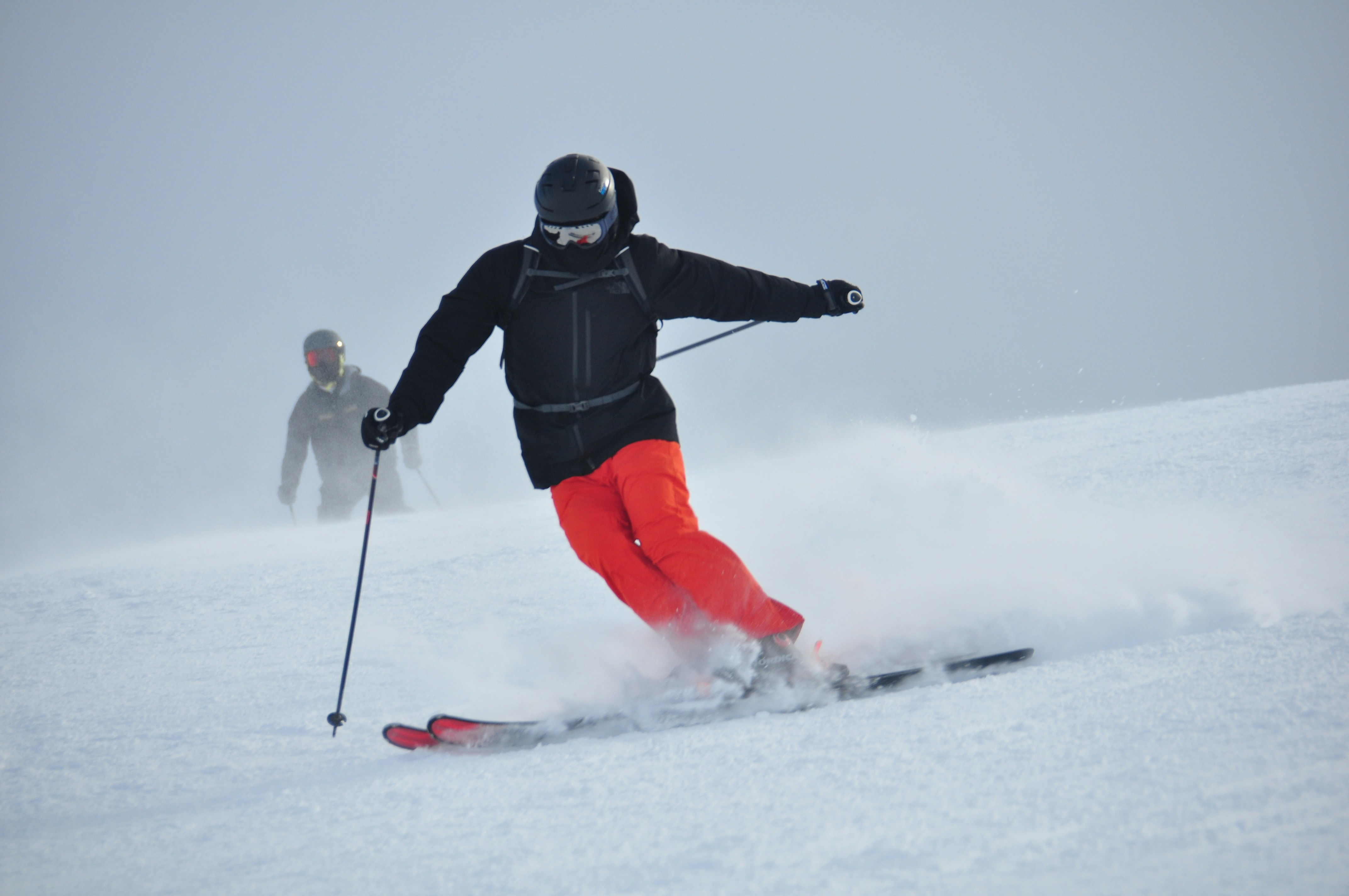
The cheapest country to go skiing is usually Bulgaria, followed by Poland and Slovakia for absolute daily lift pass cost. However, the cheapest overall ski holiday depends on total trip modelling: lift passes, accommodation, flights, food, ski rental, ski school, airport transfers, and snow reliability.
If you are asking, “Which country has the lowest lift pass prices in Europe?”, Bulgaria typically wins.
If you are asking, “Which country gives me the lowest total 5-day ski trip cost?”, Eastern Europe usually offers the strongest value.
If you want Alpine terrain at a relatively affordable price, Italy often delivers the best cost-to-quality ratio.
Below is a structured comparison with realistic pricing ranges, seasonal trade-offs, and decision frameworks.
Bulgaria consistently ranks as Europe’s most affordable ski destination. Resorts such as Bansko, Borovets, and Pamporovo offer some of the lowest lift pass prices among full-service ski areas.
Typical daily lift pass range:
Accommodation:
Food and drinks:
Is Bansko the cheapest ski resort in Europe? For full-scale resorts with modern lifts, often yes.
Trade-offs:
For beginners and intermediates on a tight budget, Bulgaria offers the lowest barrier to entry for a full ski holiday.
Poland and Slovakia frequently offer even lower lift pass prices than Bulgaria at smaller regional resorts.
Typical daily pass:
Accommodation:
If you are asking, “Where is the cheapest lift pass in Europe regardless of terrain size?”, smaller Polish or Slovak resorts may win.
However, terrain scale is limited:
Snow reliability can also vary due to lower elevations.
These countries are best suited for beginners, regional travellers, or short weekend trips rather than long destination ski holidays.
If you want Alpine terrain without Swiss-level pricing, Italy often delivers the best compromise.
Lift passes (Dolomiti Superski):
Accommodation:
Food:
Is Italy cheaper than France overall? In many cases, yes — especially for dining and accommodation.
Trade-offs:
Italy balances infrastructure quality with manageable costs, making it one of the strongest “value” Alpine options.
Austria is not inherently expensive — pricing varies significantly by resort.
Budget-friendly Austrian options:
Daily lift passes:
Accommodation:
Is Austria cheaper than France? In mid-tier resorts, often yes.
However, peak weeks in major Austrian resorts can approach Swiss pricing.
Austria offers flexibility: affordable for careful planners, expensive in high-demand destinations.
France dominates in terrain size but does not typically rank as Europe’s cheapest ski country.
Lift passes:
Accommodation:
Is France ever cheap? It can be if:
France prioritises terrain scale over low pricing.
For advanced skiers, higher lift costs may be justified by larger skiable domains.
Switzerland consistently ranks as Europe’s most expensive ski destination.
Lift passes:
Accommodation and dining:
Is Switzerland ever budget-friendly? Rarely, unless staying in smaller regional resorts.
However, Switzerland offers:
For budget-focused travellers, Switzerland is typically not the cheapest option.
To understand total cost, consider a simplified 5-day ski holiday model (excluding luxury upgrades):
Bulgaria (Bansko example):
Italy (Dolomites example):
This simplified comparison shows how Eastern Europe can reduce total cost significantly.
Flights and transfers may narrow or widen the gap depending on departure location.
The cheapest country to ski in is not always the best value if snow conditions are unreliable.
Lower-altitude Eastern European resorts may experience:
Is cheap skiing worth it if half the slopes are closed? That depends on your flexibility.
High-altitude Alpine resorts often justify higher cost with longer seasons and more consistent coverage.
Value must include snow certainty — not just lift pass price.
Flights and transfers significantly affect total cost.
For example:
If you are planning a 3-day ski trip, does terrain scale matter as much as travel efficiency? Often no.
The cheapest country on paper may not be cheapest in practice depending on departure airport and baggage fees.
Always model full-trip cost before deciding.
For beginners:
For families:
For advanced skiers:
For short weekend breaks:
If you are asking, “Where can I ski cheaply without sacrificing too much quality?”, Italy often provides the strongest compromise inside the Alps.
Budget, ability level, and trip duration all influence which country feels cheapest.
If you prioritise:
There is no single cheapest country for every skier.
The cheapest destination depends on how you model total cost and what trade-offs you are willing to accept.
Bulgaria generally provides the lowest lift pass and total trip cost in Europe. Poland and Slovakia compete for lowest daily ticket pricing. Italy and Austria offer stronger value within the Alps. Switzerland remains the most expensive.
The answer to “Which is the cheapest country to go skiing?” depends on whether you measure lift passes alone, full holiday cost, snow reliability, or terrain size.
When aligned with your skier profile, budget tolerance, and travel logistics, several countries can deliver an affordable and satisfying ski holiday.


.png)
.png)
.png)
.png)
